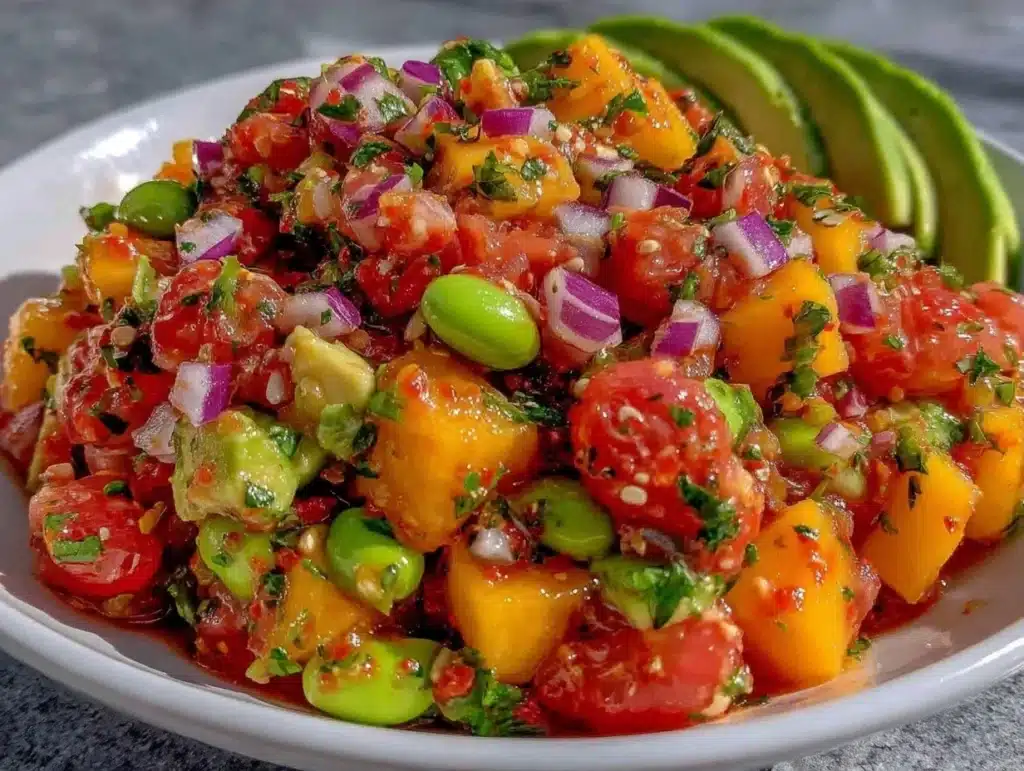
Let’s be honest for a second. You know that feeling when you’re at a nice restaurant, maybe in Miami or somewhere by the coast, and they serve you a plate of grilled fish with this incredible, bright salsa on top? The one that tastes like sunshine and salt and just completely wakes up your taste buds? I used to think I could never replicate that at home. I’d try making basic pico de gallo, and it just felt… heavy. Wet. Boring.
Then I made this mango strawberry avocado salsa. Honestly, the first time I tasted it, I almost dropped my fork. It wasn’t just fruit salad. It wasn’t just guacamole. It was a flavor explosion that hit every single note you could want. Sweet, tart, creamy, spicy, and crunchy all at once. I remember standing in my kitchen, staring at the bowl, thinking, “Wait, is this legal? How is this so good?”
I’ve tested this recipe over a dozen times now. I’ve tweaked the lime ratio, switched out the peppers, and even tried different types of avocados. This version is the winner. It’s the one I make for dinner parties, for quick lunches, and even when I just need a pick-me-up on a Tuesday afternoon. It’s light enough for summer grilling but rich enough to stand on its own as a snack.
What I love most about this mango strawberry avocado salsa is how versatile it is. You can throw it on tacos, spoon it over grilled chicken, or just eat it with tortilla chips while you watch the sunset. It’s one of those recipes that feels fancy but is actually incredibly simple. If you’re looking for a way to use up those ripe avocados or just want to impress your friends without spending hours in the kitchen, this is your answer. Let’s get into why this specific combination works so well.
Why You’ll Love This Recipe
There are a lot of salsas out there. I’ve tried them all. Some are too salty, some are too watery, and some just taste like raw vegetables. This mango strawberry avocado salsa is different because it balances texture and flavor in a way that feels intentional, not accidental. I spent years working in kitchens, and I learned that the best dishes often come down to simple contrasts. This recipe is built on that principle.
- Texture Contrast: The creamy avocado meets the crisp crunch of the strawberry and the juicy burst of the mango. It’s not mushy. It has structure. Every spoonful feels substantial.
- Flavor Balance: The sweetness of the fruit is cut by the sharp acidity of lime and jalapeño. It’s not cloying. It’s bright and refreshing, which makes it perfect for hot days.
- Visual Appeal: Let’s face it, we eat with our eyes first. The vibrant pink, orange, and green colors are stunning. It looks like it came from a high-end restaurant, which makes you look like a pro.
- Quick Preparation: You don’t need to cook anything. There’s no chopping marathon. It comes together in under 15 minutes. This is crucial for weeknight dinners when you’re tired.
- Versatility: It works as a dip, a topping, a side dish, or a salad base. I’ve even put it on pizza once (don’t judge me, it was weirdly good). It adapts to whatever you’re serving.
- Healthy Indulgence: Avocados provide healthy fats, strawberries offer vitamin C, and mangoes add fiber. It’s a guilt-free way to eat your fruits and veggies. Plus, it tastes like dessert.
What makes this recipe stand out is the technique. Most people just chop everything and toss it. But if you treat the ingredients with a bit of care, the flavors meld better. The salt draws out the juices, the lime prevents browning, and the chili powder adds a smoky depth that ties it all together. It’s not just a recipe; it’s a lesson in balance. Once you try it, you’ll never go back to plain salsa again.
What Ingredients You Will Need
This mango strawberry avocado salsa relies on fresh, high-quality ingredients. Because there’s no cooking, the quality of what you buy matters more than usual. You want ingredients that are ripe but firm, sweet but tart. Here is what you need to make this sing.
- Ripe Mangoes (2 medium): Look for a mango that yields slightly to pressure but isn’t mushy. A mango that is too green will be tough and sour. I prefer Alphonso or Ataulfo mangoes for their sweetness, but Tommy Atkins work too if they are fully ripe. Peel and dice them into small, even cubes.
- Fresh Strawberries (1 cup, hulled): Use strawberries that are bright red and fragrant. If they smell like nothing, they will taste like nothing. Hulled and diced small. I like to use slightly under-ripe berries for a bit of tartness, which balances the sweet mango.
- Avocados (2 large): This is the base. You need avocados that are ripe but not overripe. They should be firm enough to hold their shape when mixed but soft enough to mash slightly. Hass avocados are best because of their creamy texture and nutty flavor.
- Lime Juice (3-4 limes): Freshly squeezed is non-negotiable. Bottled lime juice has a chemical aftertaste that ruins the freshness. You need enough to coat the fruit and prevent oxidation. The acidity is key to balancing the sugar in the fruit.
- Jalapeño Peppers (1-2): Adjust based on your heat tolerance. Remove the seeds and membranes for less heat, or keep them in for a kick. Finely dice them. I recommend wearing gloves when handling these.
- Fresh Cilantro (1/2 cup, chopped): This adds an herbal brightness. If you hate cilantro, you can skip it, but it really ties the flavors together. Use the leaves and tender stems.
- Red Onion (1/4 cup, finely diced): Adds crunch and a sharp bite. Soak it in cold water for 10 minutes to mellow the raw onion flavor. This is a pro tip that makes a huge difference.
- Sea Salt and Black Pepper: To taste. Flaky sea salt is great for finishing, but kosher salt is better for mixing.
- Smoked Paprika or Chili Powder (1/2 tsp): This is the secret weapon. It adds a smoky depth that mimics grilled flavors, even though nothing is cooked.
Keep in mind that seasonal availability matters. If strawberries are out of season, you can substitute with peaches or nectarines. The principle remains the same: sweet fruit, creamy fat, acidic acid, and spicy heat.
What equipment do I need?
You don’t need much for this recipe. A large mixing bowl is essential. I prefer a wide bowl because it makes it easier to toss the ingredients without mashing the avocado. A sharp chef’s knife is important for dicing the fruit evenly. If your knife is dull, you’ll crush the fruit instead of cutting it, which releases too much juice and makes the salsa watery. A microplane or zester is useful if you want to add some lime zest for extra aroma. Finally, a silicone spatula helps you scrape every bit of avocado from the skin and mix everything gently without bruising the ingredients.
How to Make This Mango Strawberry Avocado Salsa
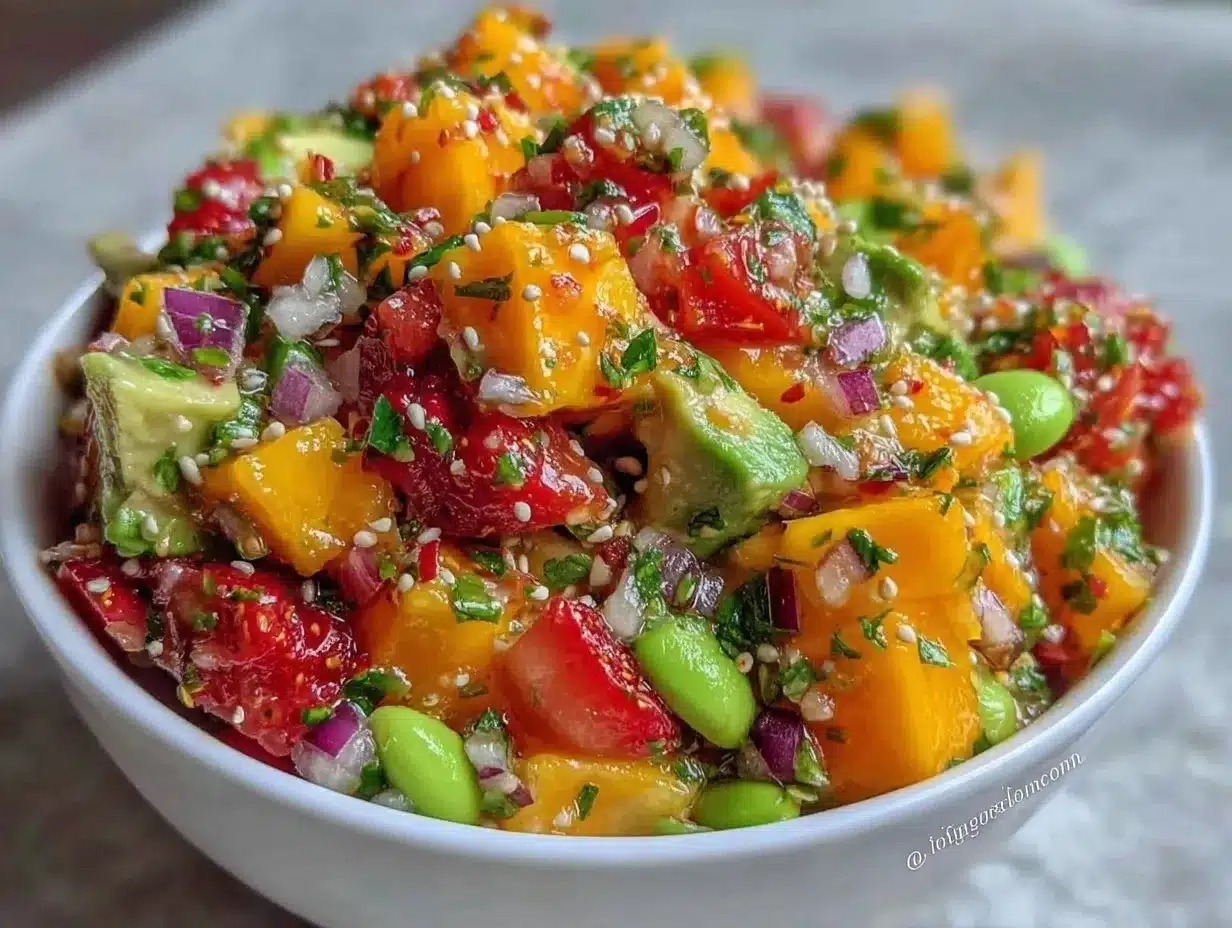
Getting the texture right is the most important part of this recipe. If you chop everything too small, it becomes a paste. If you chop it too big, it falls off the chips. Here is the step-by-step method to get it perfect.
- Prep the Onions (5 minutes): Start by finely dicing the red onion. Place it in a small bowl of ice water. This step is crucial. It removes the harsh sulfur compounds that make raw onion taste pungent. It keeps the onion crunchy but mild. While the onions soak, you can prep the rest of the ingredients.
- Prepare the Fruit (10 minutes): Dice the mangoes and strawberries into 1/4-inch cubes. Try to keep the sizes consistent. This ensures that every spoonful has a bit of everything. If the strawberries are very juicy, you might want to pat them dry with a paper towel. You don’t want the salsa to be swimming in liquid.
- Handle the Avocados (2 minutes): Cut the avocados in half, remove the pit, and scoop the flesh into a bowl. Use a fork to roughly mash them, but don’t overdo it. You want chunks, not guacamole. Leave some texture. This provides the creamy base that holds the salsa together.
- Mix the Base (2 minutes): Drain the onions and add them to the avocado. Add the diced mango and strawberries. Gently fold them together. Use a gentle hand here. You want to combine the ingredients without breaking down the fruit.
- Add the Aromatics (2 minutes): Add the finely diced jalapeño and chopped cilantro. Sprinkle in the smoked paprika, salt, and black pepper. The smoked paprika should be distributed evenly. If you clump it in one spot, you’ll get a mouthful of smoke.
- Acidify and Season (2 minutes): Squeeze the lime juice over the mixture. Start with three limes, mix, and taste. Add more if needed. The salsa should taste bright. If it tastes flat, it needs more acid. If it tastes too sour, it needs a pinch more salt or a tiny bit of honey, though I rarely find that necessary.
- Chill and Serve (10 minutes): Let the salsa sit in the refrigerator for at least 10 minutes before serving. This allows the flavors to meld. The salt and acid penetrate the fruit, making it taste more cohesive. It also helps the avocados firm up slightly.
Pay attention to the smell. When it’s ready, it should smell fresh, citrusy, and slightly spicy. If it smells like raw onion, you didn’t soak it long enough. If it smells metallic, your knife might be dirty. Trust your senses.
Cooking Tips & Techniques
I’ve learned a few things the hard way while making this salsa. Here are some tips to help you avoid common mistakes.
Avoid Brown Avocados: The number one reason this salsa fails is brown, mushy avocado. If your avocados are overripe, the salsa will turn brown quickly and taste bitter. Use avocados that are just ripe. If you buy them hard, let them sit on the counter for a day or two. Check them daily by gently squeezing.
Don’t Skip the Salt: Salt doesn’t just make things salty. It enhances sweetness and acidity. Without enough salt, the fruit tastes bland. Season generously. Taste as you go. It’s better to add too little and correct it than to add too much.
Use Fresh Lime Juice: Bottled lime juice is pasteurized and often contains preservatives that change the flavor. Fresh juice has a volatile aroma that dissipates quickly. Squeeze the limes right before you use them. This ensures maximum flavor.
Control the Heat: Jalapeños can vary wildly in heat. If you are serving this to people who don’t like spice, remove all the seeds and membranes. If you want a kick, keep some seeds. You can also substitute with serrano peppers for a sharper heat or poblano peppers for a milder, earthy flavor.
Prevent Oxidation: The acid in the lime juice helps prevent browning, but it’s not a guarantee. If you are making this ahead of time, press plastic wrap directly onto the surface of the salsa. This limits exposure to air. It’s not perfect, but it helps.
Knife Skills Matter: Uniform cuts ensure even distribution of flavors. If you have huge chunks of mango and tiny pieces of onion, the balance will be off. Take your time with the knife work. It’s meditative and pays off in the final dish.
Variations & Adaptations
One of the best things about this mango strawberry avocado salsa is how adaptable it is. You can tweak it to suit your preferences or whatever you have on hand.
Spicy Version: For more heat, add a diced habanero pepper instead of jalapeño. Habanero is fruitier and pairs well with mango. Start with half a pepper and adjust. Be careful, it’s hot!
Herb Swap: If you don’t like cilantro, use fresh mint or basil. Mint adds a cooling effect that complements the lime beautifully. Basil adds a sweet, peppery note that works well with strawberries.
Gluten-Free & Vegan: This recipe is naturally gluten-free and vegan. Just ensure your tortilla chips are certified gluten-free if that’s a concern. Most corn tortillas are safe, but check the label.
Protein Boost: Add grilled shrimp or black beans for a heartier dish. The sweetness of the mango pairs wonderfully with shrimp. The beans add fiber and protein, making it a complete meal.
Seasonal Twist: In winter, swap strawberries for raspberries or pomegranate seeds. Pomegranate seeds add a nice crunch and tartness. In summer, add diced watermelon for extra hydration and sweetness.
I once made this with peaches instead of mangoes, and it was surprisingly good. The texture was similar, and the flavor was less intense but still delicious. Don’t be afraid to experiment.
Serving & Storage Suggestions
This mango strawberry avocado salsa is best served fresh. The flavors are at their peak within an hour of making it. Serve it with sturdy tortilla chips, grilled fish, tacos, or burritos. It also makes a great topping for salads or grain bowls.
Storage: If you have leftovers, store them in an airtight container in the refrigerator. Press plastic wrap onto the surface to minimize air exposure. It will last for up to 24 hours. After that, the avocados will start to brown and the fruit will get mushy.
Reheating: Do not reheat this salsa. It is meant to be served cold or at room temperature. Heating will destroy the fresh flavors and texture.
Freezing: I don’t recommend freezing this salsa. The avocado and fruit will change texture significantly upon thawing. It will become watery and grainy. Make small batches so you only make what you need.
Pairing Ideas: Serve with crisp white wines like Sauvignon Blanc or Pinot Grigio. For non-alcoholic options, try sparkling water with lime or iced hibiscus tea. The acidity in the drinks complements the salsa perfectly.
Nutritional Information & Benefits
This salsa is not just delicious; it’s also good for you. Avocados are rich in monounsaturated fats, which are good for heart health. They also provide fiber, potassium, and vitamins K, C, and E. Strawberries are low in sugar and high in vitamin C and antioxidants. Mangoes provide vitamin A and fiber. The lime juice adds vitamin C, which helps with iron absorption.
Overall, this dish is low in calories but high in nutrients. It’s a great way to incorporate more fruits and vegetables into your diet. The healthy fats in the avocado help your body absorb fat-soluble vitamins from the other ingredients. It’s a smart, delicious choice for any meal.
Conclusion
Making this mango strawberry avocado salsa has been one of the best culinary discoveries of my life. It’s simple, yet sophisticated. It’s healthy, yet indulgent. It’s easy to make, yet impressive enough for guests. I hope you try it and experience the same joy I did.
Don’t be afraid to adjust the recipe to your taste. Add more lime, less salt, more heat. Make it your own. And please, share your results with me. I love hearing how you adapt recipes. Leave a comment below with your favorite way to serve this salsa. Did you put it on tacos? On fish? Or just eaten with chips? Let me know!
Happy cooking! Remember, good food doesn’t have to be complicated. Sometimes, it’s just about finding the right balance of flavors. This salsa is that balance in a bowl.
Frequently Asked Questions
Can I use frozen fruit for this salsa?
It’s not recommended. Frozen fruit releases a lot of water when it thaws, which will make the salsa watery and soggy. Fresh fruit provides the best texture and flavor. If you must use frozen, thaw it completely and pat it dry with paper towels before adding it to the mix.
How do I pick a ripe avocado?
Look for an avocado that is dark green or nearly black in color. Gently squeeze it in the palm of your hand. It should yield slightly to pressure but not feel mushy. If it feels hard, it needs a few days. If it feels too soft, it’s overripe.
Can I make this salsa ahead of time?
You can prepare the ingredients ahead of time, but it’s best to mix them just before serving. If you mix it too early, the avocados will brown and the fruit will release juice. You can store the chopped fruit in airtight containers in the fridge for a few hours.
What can I substitute for cilantro?
If you don’t like cilantro, you can use fresh mint, basil, or parsley. Mint adds a refreshing coolness, basil adds sweetness, and parsley adds a mild herbal note. Choose based on your preference.
Is this salsa spicy?
The spice level depends on the jalapeño. If you remove the seeds and membranes, it will be mild. If you keep them in, it will be spicier. You can also use a milder pepper like poblano or a hotter one like habanero to adjust the heat to your liking.
Pin This Recipe!
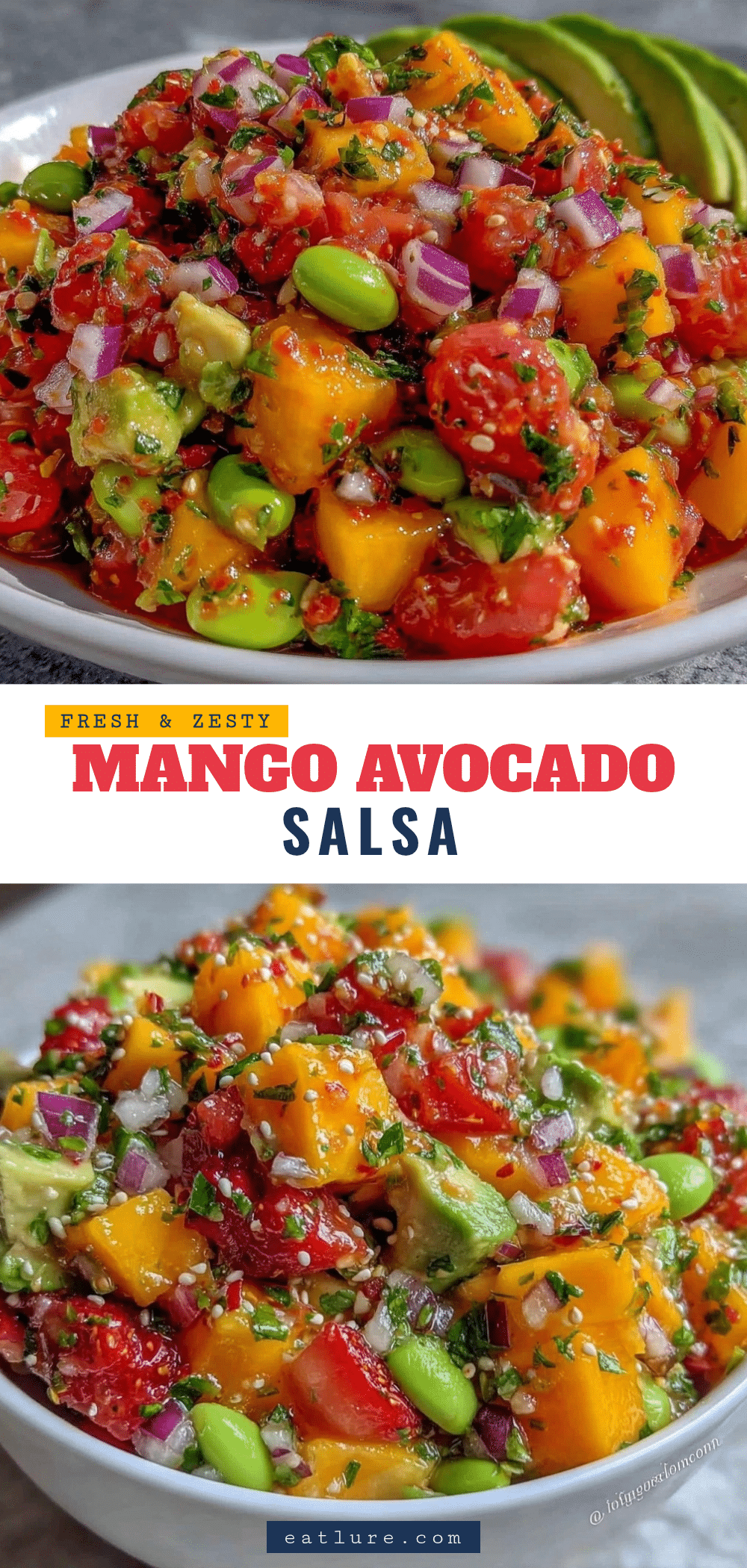

Mango Strawberry Avocado Salsa
- Total Time: 25 minutes
- Yield: 4 servings 1x
Description
A vibrant, fresh salsa combining sweet mango and strawberries with creamy avocado, zesty lime, and a hint of jalapeño heat. It balances texture and flavor for a versatile dish that works as a dip, topping, or side.
Ingredients
- 2 medium ripe mangoes, peeled and diced into small cubes
- 1 cup fresh strawberries, hulled and diced small
- 2 large ripe Hass avocados, roughly mashed but leaving chunks
- Juice of 3–4 fresh limes
- 1–2 jalapeño peppers, finely diced (seeds removed for less heat)
- 1/2 cup fresh cilantro, chopped
- 1/4 cup red onion, finely diced
- Sea salt and black pepper to taste
- 1/2 tsp smoked paprika or chili powder
Instructions
- Finely dice the red onion and place it in a bowl of ice water for 10 minutes to mellow the flavor. Drain and pat dry.
- Dice the mangoes and strawberries into 1/4-inch cubes. If strawberries are very juicy, pat them dry with a paper towel.
- Cut avocados in half, remove pits, and scoop flesh into a large mixing bowl. Roughly mash with a fork, leaving some texture.
- Add the drained onions, diced mango, and strawberries to the avocado. Gently fold together.
- Add the diced jalapeño, chopped cilantro, smoked paprika, salt, and black pepper. Sprinkle evenly.
- Squeeze fresh lime juice over the mixture. Start with 3 limes, mix, and taste. Add more if needed for brightness.
- Chill in the refrigerator for at least 10 minutes to allow flavors to meld before serving.
Notes
Soak red onion in ice water to reduce pungency. Use ripe but firm avocados to prevent browning. Serve immediately for best texture, or store with plastic wrap pressed directly onto the surface to prevent oxidation. Do not freeze.
- Prep Time: 15 minutes
- Cook Time: 0 minutes
- Category: Appetizer
- Cuisine: Fusion
Nutrition
- Serving Size: 1/2 cup
- Calories: 180
- Sugar: 12
- Sodium: 150
- Fat: 14
- Saturated Fat: 2
- Carbohydrates: 18
- Fiber: 5
- Protein: 2
Keywords: mango salsa, strawberry avocado salsa, fresh fruit salsa, healthy dip, summer recipes, gluten-free, vegan, quick recipes