Let’s be honest for a second. I used to spend way too much money on delivery apps just to get that specific, addictive flavor of spicy, savory beef over rice. You know the one. The kind where the sauce clings to every grain and the heat lingers in the best way possible. I remember the first time I tried to recreate it at home during a particularly lazy rainy Sunday. I had half a pound of ground beef, a jar of mayonnaise, and a bottle of gochujang that had been sitting in my fridge since last Christmas.
I was skeptical. Could pantry staples really mimic the complexity of a restaurant dish? I mixed them up, cooked the beef, and poured that vibrant orange sauce over everything. One bite later, I was hooked. It wasn’t just good; it was better than the takeout version because it was made with love and zero delivery fees. That rainy Sunday meal sparked a weekly tradition that has lasted for years.
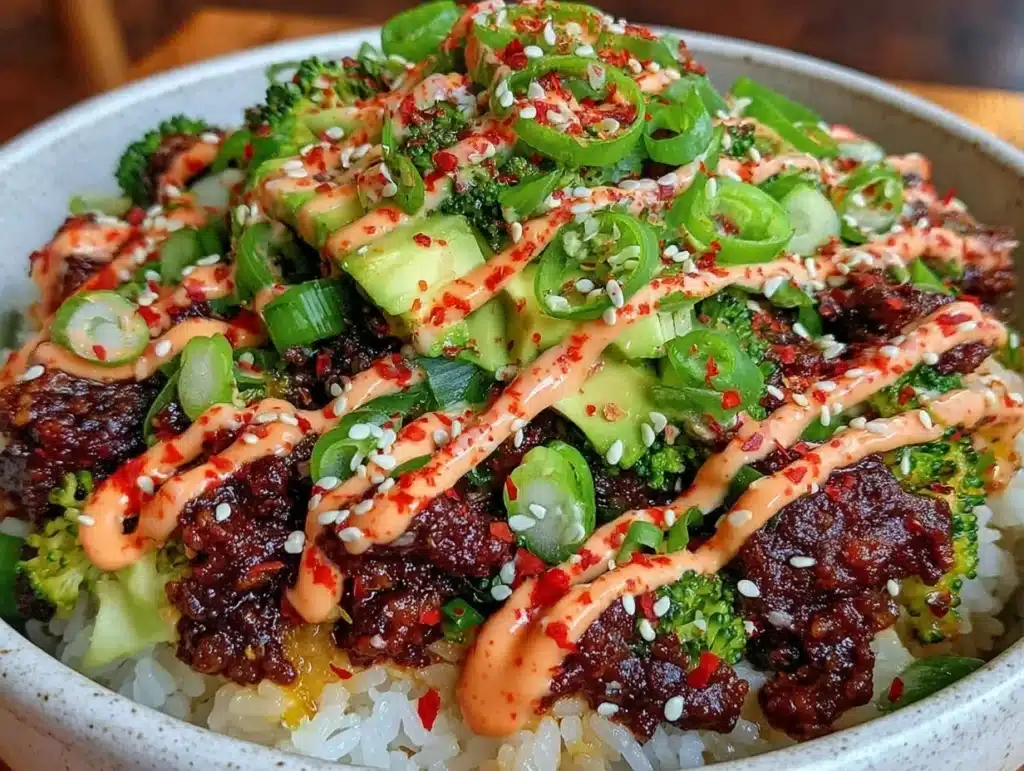
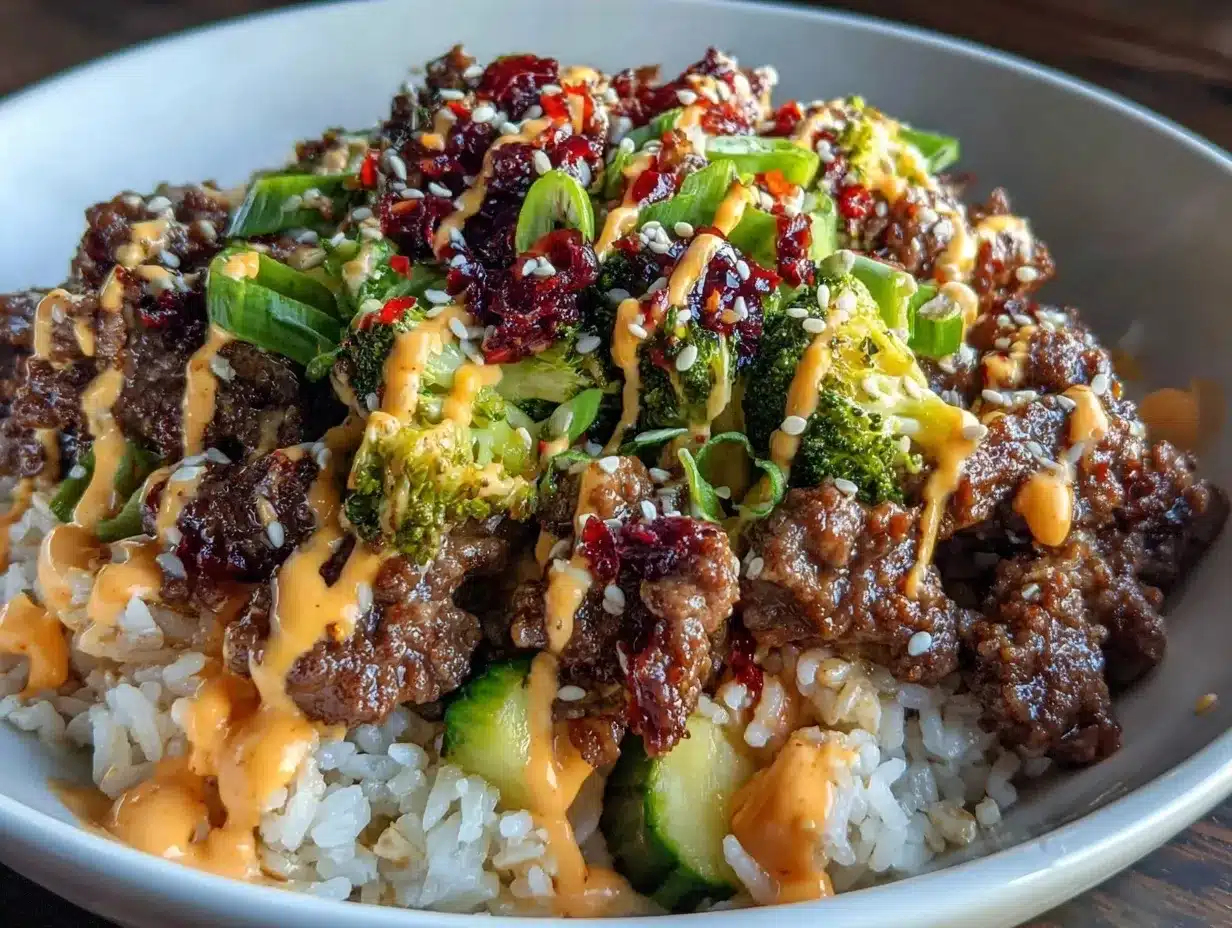
Now, these Korean Beef Bowls with Spicy Mayo Drizzle are my go-to for busy weeknights. They come together in under 20 minutes, which is a miracle when you’re exhausted after work. The combination of tender, seasoned beef, fluffy jasmine rice, and that creamy, kicky mayo sauce is pure comfort. It’s the kind of meal that satisfies a serious craving without weighing you down like a heavy stir-fry might. Plus, the visual appeal is insane. That bright orange drizzle against the dark beef and green onions is a total eye-catcher, making it perfect for sharing on social media or just making your own dinner feel special.
I’ve tested this recipe dozens of times, tweaking the spice levels and the beef-to-rice ratio, and I’ve finally nailed the perfect balance. Whether you’re a fan of mild heat or you want to turn up the volume, this recipe adapts to your taste. It’s simple, it’s fast, and it delivers big flavors every single time. If you’ve been searching for an easy weeknight dinner that feels gourmet but requires zero culinary skills, you’re in the right place.
Why You’ll Love This Korean Beef Bowl Recipe
After making this dish over a dozen times for my family and friends, I can confidently say it’s a game-changer. There is something deeply satisfying about the way the spicy mayo binds the ingredients together, creating a cohesive flavor profile that hits all the right notes. It’s not just about taste; it’s about the experience of eating it. The texture contrast between the soft rice, the tender beef, and the crisp vegetables keeps every bite interesting.
- Quick & Easy: This recipe comes together in under 20 minutes. The beef cooks in about 10 minutes, and the sauce takes less than two to mix. It’s perfect for busy weeknights when you don’t have hours to simmer a stew.
- Simple Ingredients: You likely already have most of these items in your kitchen. Ground beef, rice, mayo, gochujang, soy sauce, and sesame oil are staples in many households. No need for a special grocery run.
- Perfect for Meal Prep: These bowls store beautifully in the fridge. I often cook a double batch of beef on Sunday to use throughout the week. The flavors actually deepen slightly after sitting for a day.
- Crowd-Pleaser: Kids and adults alike love this dish. The spicy mayo is creamy enough to mellow out the heat for younger palates, while the savory beef satisfies adult cravings. It’s a win-win.
- Unbelievably Delicious: The texture and flavor combo is next-level comfort food. The umami from the soy sauce and garlic pairs perfectly with the tangy, spicy mayo. It’s soul-soothing satisfaction in a bowl.
What makes this version different from other Korean beef recipes is the inclusion of the spicy mayo drizzle. Many recipes skip this step, leaving the dish one-dimensional. The mayo adds a richness that balances the saltiness of the beef, creating a more complex and enjoyable eating experience. It’s a small addition that makes a huge difference. I’ve tried this with different types of mayo, including dairy-free options, and it still works beautifully. This isn’t just another version; it’s the best version for a quick, satisfying meal.
What Ingredients You Will Need
This recipe uses simple, wholesome ingredients to deliver bold flavor and satisfying texture without the fuss. The beauty of this dish lies in its accessibility. You don’t need exotic spices or hard-to-find ingredients. Most of these items are pantry staples or common refrigerator items. Here is what you need to make the perfect Korean Beef Bowl.
- Ground Beef: 1 pound of 80/20 ground beef works best for flavor. You can use leaner beef if you prefer, but it might be a bit drier. (Adds richness)
- Jasmine Rice: 1 cup of uncooked jasmine rice. Jasmine is key for its floral aroma and sticky texture, which helps hold the sauce. (Use basmati if you prefer a fluffier grain)
- Gochujang: 2 tablespoons of Korean chili paste. This is the main source of heat and depth. Look for a brand like CJ or Sunchang for the best quality. (Adds spicy, fermented flavor)
- Mayonnaise: 1/3 cup of Japanese-style mayo like Kewpie. Kewpie has a richer, egg-yolk-forward taste that is perfect here. (Adds creaminess)
- Soy Sauce: 2 tablespoons of low-sodium soy sauce. This provides the salty, umami base for the beef. (Use tamari for gluten-free)
- Garlic: 3 cloves of fresh garlic, minced. Fresh garlic is essential for that sharp, aromatic punch. (Do not use powder if you can help it)
- Ginger: 1 teaspoon of fresh grated ginger. This adds a warm, zesty note that complements the beef. (Pre-minced ginger from a jar works in a pinch)
- Sesame Oil: 1 tablespoon of toasted sesame oil. This nutty oil is the signature scent of Korean cooking. (Use sparingly as it is strong)
- Sugar: 1 tablespoon of brown sugar or white sugar. This balances the heat from the gochujang and the saltiness of the soy sauce. (Adjust to taste)
- Green Onions: 2 stalks, thinly sliced. These add a fresh, oniony crunch and a pop of green color. (Scallions are the same thing)
- Sesame Seeds: 1 tablespoon of toasted sesame seeds. These add a subtle crunch and nutty flavor. (Optional but recommended)
- Vegetables: 1 cup of shredded carrots or cucumber slices. These add freshness and crunch. (Use whatever veggies you have on hand)
I recommend using Kewpie mayo for the best texture and flavor, but regular mayonnaise works fine if that’s all you have. For the gochujang, try to find it at an Asian grocery store if possible, as the flavor is more authentic and complex than what you might find in a standard supermarket. If you are gluten-sensitive, make sure to use tamari instead of regular soy sauce.
What Equipment Do I Need?
You don’t need any fancy gadgets for this recipe. A standard 10-inch skillet or frying pan is perfect for cooking the beef. I prefer using a non-stick pan because it makes cleanup easier, especially since the beef can sometimes stick if the heat is too high. A medium saucepan is needed for cooking the rice, though a rice cooker is a great time-saver if you have one. For mixing the spicy mayo, a small bowl and a whisk or fork will do the trick. I also recommend having a pair of tongs handy for flipping and stirring the beef. If you don’t have a rice cooker, a heavy-bottomed pot with a tight-fitting lid works well to keep the steam in. No special tools are required, keeping this recipe budget-friendly and accessible for any home cook.
How to Make Korean Beef Bowls with Spicy Mayo
Let’s get into the nitty-gritty. Making this dish is straightforward, but there are a few tricks to ensure the beef stays tender and the sauce is perfectly balanced. Here is the step-by-step process.
- Cook the Rice: Start by rinsing 1 cup of jasmine rice under cold water until the water runs clear. This removes excess starch and prevents the rice from becoming too gummy. Combine the rinsed rice with 1 1/2 cups of water in a saucepan. Bring it to a boil, then reduce the heat to low, cover, and simmer for 15 minutes. Remove from heat and let it sit, covered, for another 5 minutes. Fluff with a fork. (Time: 20 minutes total)
- Make the Spicy Mayo: While the rice is cooking, mix 1/3 cup of mayonnaise and 2 tablespoons of gochujang in a small bowl. Whisk until smooth and creamy. If you prefer a milder sauce, start with 1 tablespoon of gochujang and add more to taste. You can also add a teaspoon of rice vinegar for a tangy kick. Set aside. (Time: 2 minutes)
- Sauté the Aromatics: Heat 1 tablespoon of sesame oil in a 10-inch skillet over medium-high heat. Add 3 cloves of minced garlic and 1 teaspoon of grated ginger. Sauté for about 30 seconds until fragrant. Be careful not to burn the garlic, as it will turn bitter. (Time: 1 minute)
- Cook the Beef: Add 1 pound of ground beef to the skillet. Break it up with a spatula as it cooks. Cook for 5-7 minutes, stirring occasionally, until the beef is browned and cooked through. If there is excess grease, you can drain it, but leaving a little bit adds flavor. (Time: 7 minutes)
- Add the Sauce: Reduce the heat to medium-low. Add 2 tablespoons of soy sauce and 1 tablespoon of sugar to the beef. Stir well to combine, ensuring the beef is evenly coated. Let it simmer for 2-3 minutes to allow the flavors to meld. The sauce should thicken slightly and cling to the meat. (Time: 3 minutes)
- Assemble the Bowls: Divide the cooked rice among four bowls. Top each bowl with a generous portion of the spicy beef. Arrange your chosen vegetables, such as shredded carrots or cucumber slices, on the side. Drizzle the spicy mayo generously over the beef and rice. (Time: 2 minutes)
- Garnish and Serve: Sprinkle with sliced green onions and toasted sesame seeds. Serve immediately while the beef is hot and the rice is warm. Enjoy! (Time: 1 minute)
The key here is not to overcrowd the pan when cooking the beef. If you use a smaller pan, the beef will steam instead of brown, resulting in a less flavorful dish. Also, taste the beef sauce before assembling. If it needs more salt, add a splash more soy sauce. If it’s too spicy, a little more sugar or mayo can balance it out.
Cooking Tips & Techniques for Perfect Beef Bowls
Over the years, I’ve learned a few things the hard way, and I’m sharing them to save you some headaches. One common mistake is overcooking the beef. Ground beef can dry out quickly, so keep an eye on it. Once it’s browned and no longer pink, it’s done. Another tip is to use cold butter or ice water if you want to tenderize the beef further, but for ground beef, just keeping the heat medium-high is usually sufficient.
I also learned that rinsing the rice is non-negotiable. I once skipped this step and ended up with a sticky, gluey mess that didn’t pair well with the loose, saucy beef. The rice needs to be fluffy to absorb the sauce without becoming mushy. When making the spicy mayo, remember that gochujang can vary in heat from brand to brand. Start with less and add more gradually. It’s easier to add heat than to remove it.
For consistency, I always measure my ingredients with a scale or standard cups. Cooking is part science, and precision helps you get the same great results every time. If you are multitasking, start the rice first, as it takes the longest. While it simmers, prep your veggies and mix the sauce. This way, when the rice is done, you can quickly cook the beef and assemble everything. This method keeps you organized and reduces stress in the kitchen.
How Can I Customize This Recipe?
One of the best things about this recipe is its flexibility. Here are a few variations I’ve tried that work wonderfully. For a lighter option, use ground turkey or chicken instead of beef. The cooking time remains the same, but the flavor will be milder. You can also swap the gochujang for sriracha if you can’t find Korean chili paste, though the flavor profile will be different. For a vegetarian version, substitute the beef with crumbled tofu or tempeh. Marinate the tofu in soy sauce and sesame oil before cooking for extra flavor.
If you want to add more vegetables, try adding spinach or bok choy. Sauté them quickly with the beef for the last minute of cooking. For a different texture, try using sweet potato fries instead of rice. This low-carb option is surprisingly delicious with the spicy mayo. I also love adding a fried egg on top for extra protein and richness. The runny yolk mixes with the mayo to create an even creamier sauce. Don’t be afraid to experiment; this recipe is a blank canvas for your creativity.
Serving & Storage Suggestions
These bowls are best served immediately while the beef is hot and the rice is warm. The contrast of temperatures adds to the enjoyment. For presentation, use wide, shallow bowls to showcase the layers. The bright orange mayo against the dark beef and green onions is visually striking. Garnish generously with green onions and sesame seeds for a professional finish.
Leftovers store well in an airtight container in the refrigerator for up to 3 days. The beef and rice can be stored together or separately. I prefer storing them separately to prevent the rice from becoming soggy. When reheating, add a splash of water to the rice to help it steam back to fluffiness. Microwave for 1-2 minutes, stirring halfway through. The beef can be reheated in the microwave or on the stove. The flavors remain strong even after a day, making this a great meal prep option.
For freezing, the beef mixture freezes well for up to 2 months. Let it cool completely before transferring to a freezer-safe bag. Remove as much air as possible to prevent freezer burn. Thaw in the refrigerator overnight and reheat before serving. The rice does not freeze well, so it’s best to cook fresh rice when you’re ready to eat. This recipe pairs nicely with a cold glass of barley tea or a light lager. It’s also great served with a side of kimchi for an extra kick of fermentation and crunch.
What Are the Nutritional Benefits?
This recipe offers a balanced mix of macronutrients. The ground beef provides high-quality protein and iron, which are essential for energy and muscle repair. The rice offers carbohydrates for fuel, while the sesame oil and mayo add healthy fats. The vegetables add fiber and vitamins. If you use lean beef, you can reduce the fat content. For a lower-carb option, swap the rice for cauliflower rice. The gochujang contains capsaicin, which may boost metabolism. Overall, this dish is a wholesome, satisfying meal that fits into most dietary patterns. It’s not a diet food, but it’s nutritious enough for regular consumption.
Conclusion
These Korean Beef Bowls with Spicy Mayo Drizzle are a testament to the power of simple ingredients. They are quick, delicious, and incredibly satisfying. I hope you enjoy making this as much as I have. Don’t be afraid to tweak the spice level or add your favorite veggies. This recipe is yours to customize. If you try it, I’d love to hear how it turned out. Leave a comment below with your thoughts or share a photo on social media. Tag me so I can see your creations! Happy cooking, and enjoy every bite.
Frequently Asked Questions
Can I use ground turkey instead of beef?
Yes, ground turkey works well in this recipe. It has a milder flavor, so you might want to add a bit more garlic or soy sauce to boost the taste. The cooking time is the same.
Is gochujang very spicy?
Gochujang has a moderate heat level with a sweet and savory undertone. It’s not as spicy as pure chili flakes. If you are sensitive to heat, start with 1 tablespoon and adjust to your liking.
Can I make this recipe gluten-free?
Absolutely. Just swap the regular soy sauce for tamari or a gluten-free soy sauce alternative. Ensure your gochujang is certified gluten-free, as some brands may contain wheat.
How do I store leftovers?
Store the beef and rice in separate airtight containers in the refrigerator. They will keep for up to 3 days. Reheat in the microwave with a splash of water to restore moisture.
Can I freeze the beef mixture?
Yes, the beef mixture freezes well for up to 2 months. Cool it completely before freezing. Thaw in the refrigerator overnight and reheat before serving. Do not freeze the rice.
Pin This Recipe!

Korean Beef Bowls with Spicy Mayo Drizzle
- Total Time: 20 minutes
- Yield: 4 servings 1x
Description
A quick and easy weeknight dinner featuring tender seasoned ground beef, fluffy jasmine rice, and a creamy, spicy gochujang mayo drizzle. This dish delivers big flavors in under 20 minutes.
Ingredients
- 1 pound 80/20 ground beef
- 1 cup uncooked jasmine rice
- 1 1/2 cups water (for rice)
- 2 tablespoons gochujang (Korean chili paste)
- 1/3 cup Japanese-style mayonnaise (e.g., Kewpie)
- 2 tablespoons low-sodium soy sauce
- 3 cloves fresh garlic, minced
- 1 teaspoon fresh grated ginger
- 1 tablespoon toasted sesame oil
- 1 tablespoon brown sugar or white sugar
- 2 stalks green onions, thinly sliced
- 1 tablespoon toasted sesame seeds
- 1 cup shredded carrots or cucumber slices
Instructions
- Rinse 1 cup of jasmine rice under cold water until clear. Combine with 1 1/2 cups water in a saucepan. Bring to a boil, reduce heat to low, cover, and simmer for 15 minutes. Remove from heat and let sit covered for 5 minutes, then fluff with a fork.
- While rice cooks, whisk 1/3 cup mayonnaise and 2 tablespoons gochujang in a small bowl until smooth. Set aside.
- Heat 1 tablespoon sesame oil in a 10-inch skillet over medium-high heat. Add minced garlic and grated ginger; sauté for 30 seconds until fragrant.
- Add ground beef to the skillet. Break it up with a spatula and cook for 5-7 minutes until browned and cooked through. Drain excess grease if desired.
- Reduce heat to medium-low. Add soy sauce and sugar to the beef. Stir to coat and simmer for 2-3 minutes until the sauce thickens slightly.
- Divide cooked rice among four bowls. Top with the spicy beef and arrange vegetables on the side.
- Drizzle the spicy mayo generously over the beef and rice.
- Garnish with sliced green onions and toasted sesame seeds. Serve immediately.
Notes
Rinsing the rice is essential to prevent it from becoming gummy. If you prefer a milder sauce, start with 1 tablespoon of gochujang. For a gluten-free version, use tamari instead of soy sauce. Leftovers can be stored in the refrigerator for up to 3 days; store beef and rice separately to prevent sogginess. The beef mixture can be frozen for up to 2 months.
- Prep Time: 5 minutes
- Cook Time: 15 minutes
- Category: Main Course
- Cuisine: Korean
Nutrition
- Serving Size: 1 bowl per serving
- Calories: 650
- Sugar: 8
- Sodium: 900
- Fat: 35
- Saturated Fat: 12
- Carbohydrates: 55
- Fiber: 2
- Protein: 30
Keywords: Korean beef, spicy mayo, gochujang, quick dinner, weeknight meals, ground beef recipe, rice bowls, easy cooking