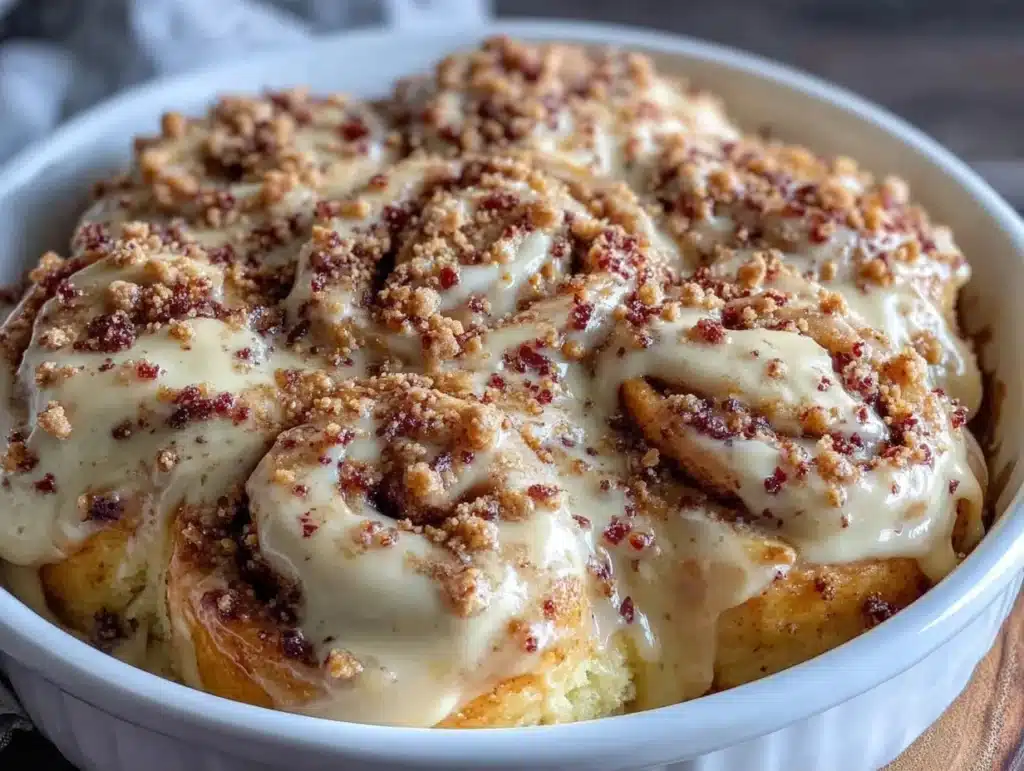
The smell of warm, caramelized cookie dough mixed with spiced cinnamon is enough to make anyone stop what they are doing and follow their nose. I first discovered the magic of pairing Biscoff cookies with classic cinnamon rolls during a rainy Sunday morning in November. I had just finished a jar of the spread and felt inspired to create something that tasted like comfort food but felt like a high-end bakery treat. Honestly, most store-bought versions just don’t cut it, so I decided to craft my own.
These Biscoff Cinnamon Rolls – Soft & Chewy are not just another breakfast idea. They are a celebration of texture and flavor that brings the best of both worlds together. You get the yeasty, pillowy softness of a traditional roll with the crunchy, buttery sweetness of Speculoos cookies. It’s a combination that feels indulgent yet totally approachable for your home kitchen.
I’ve tested this recipe over a dozen times to get the dough hydration just right. Too wet, and the rolls collapse; too dry, and they lose that signature chew. This version hits the sweet spot every single time. Whether you are hosting a brunch or just need a mid-week pick-me-up, these rolls deliver. They are perfect for anyone who loves a good carb fix without sacrificing flavor. Let’s face it, life is too short for dry pastries.
Why You’ll Love This Recipe
There is a specific kind of joy in pulling a tray of fresh cinnamon rolls out of the oven. With these Biscoff Cinnamon Rolls – Soft & Chewy, that joy is amplified by the distinct, spiced notes of the cookie spread. I developed this recipe after realizing that many home cooks struggle with dough that is either too dense or lacks depth. This method solves both problems by using a simple yeast dough that rises beautifully and stays tender for days.
Here is why this recipe stands out from the crowd:
- Quick & Easy Prep: While the dough needs time to rise, the active hands-on time is minimal. You can have the rolls ready for the oven in under an hour if you rush the rise, though patience yields better results.
- Simple Ingredients: You likely have most of these items in your pantry already. Flour, sugar, yeast, butter, and that essential Biscoff spread are all you really need for the core components.
- Perfect for Brunch: These are the star of any weekend gathering. They look impressive on the table but are simple enough to make on a whim.
- Crowd-Pleaser: Kids love the sweetness, and adults appreciate the nuanced spice profile. They are a guaranteed hit at potlucks or family gatherings.
- Unbelievably Delicious: The texture is next-level. The center is soft and chewy, while the edges get slightly crisp from the butter and sugar mixture.
What makes this recipe different is the way the Biscoff flavor is integrated. Instead of just swirling it on top, I fold some of the spread into the dough itself. This ensures that every bite has that signature cinnamon-spice kick. It’s not just a glaze on top; it’s in the fabric of the roll.
I also recommend letting the rolls rest after baking. This step allows the steam to redistribute, keeping the interior moist. It’s a small detail that makes a huge difference. When you take that first bite, you should feel the warmth and taste the complex layers of flavor. It’s comfort food reimagined with a twist. This recipe is perfect for impressing guests without stress, or turning a simple meal into something memorable.
What Ingredients You Will Need
This recipe uses simple, wholesome ingredients to deliver bold flavor and satisfying texture without the fuss. The beauty of baking lies in the quality of your components. For these Biscoff Cinnamon Rolls – Soft & Chewy, I focus on using high-quality butter and fresh yeast for the best rise. You don’t need fancy grocery trips; most of these items are pantry staples.
Here is what you need to gather before you start mixing:
For the Dough
- All-purpose flour: 450g (3 ½ cups). I recommend King Arthur Brand for its consistent protein content, which helps with structure.
- Granulated sugar: 60g (⅓ cup). This feeds the yeast and adds sweetness to the dough itself.
- Instant yeast: 7g (1 packet). Active dry yeast works too, but you will need to dissolve it in warm milk first.
- Warm milk: 240ml (1 cup). Make sure it is lukewarm, not hot, or you will kill the yeast.
- Large eggs: 2 eggs, room temperature. This adds richness and helps bind the dough.
- Unsalted butter: 55g (¼ cup), softened. This gives the dough its tender crumb.
- Biscoff cookie spread: 2 tablespoons, melted. This is the secret ingredient for infused flavor.
- Salt: 1 teaspoon. Essential for balancing the sweetness.
For the Filling
- Unsalted butter: 115g (½ cup), softened to room temperature. This creates the layers.
- Brown sugar: 150g (¾ cup). Dark brown sugar adds a molasses note that pairs well with cinnamon.
- Ground cinnamon: 2 tablespoons. Use a good quality cinnamon for strong flavor.
- Biscoff spread: 4 tablespoons. Used as a sticky layer to hold the sugar and cinnamon.
For the Glaze
- Confectioners’ sugar: 100g (1 cup). Sifted to avoid lumps in the final glaze.
- Biscoff spread: 2 tablespoons. Melted and whisked into the sugar.
- Milk or cream: 1-2 tablespoons. Adjust for desired consistency.
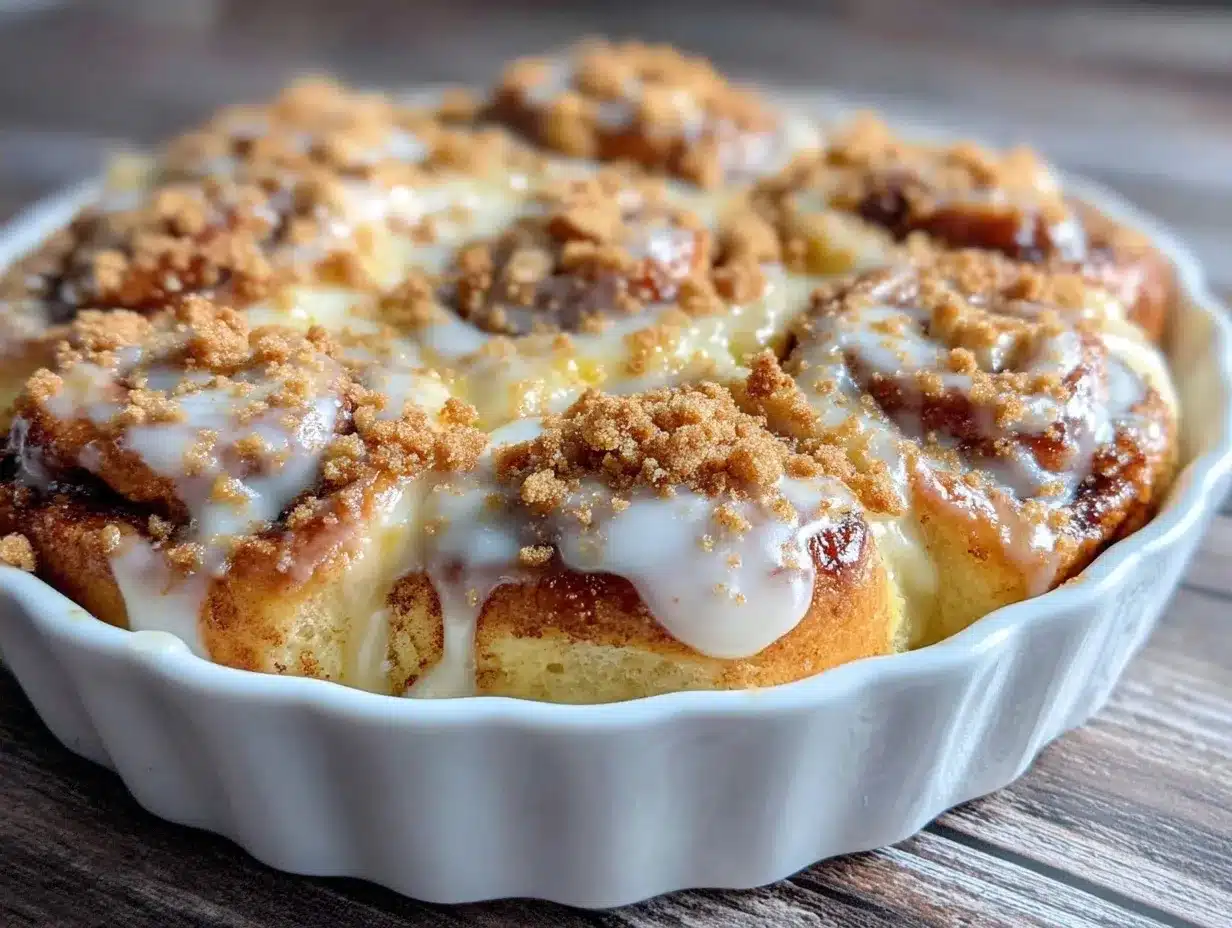
- Crushed Biscoff cookies: Optional, for garnish. Adds a nice crunch and visual appeal.
I personally prefer small-curd cottage cheese in some breads, but for this roll, I stick to butter and eggs for that classic soft texture. If you need a dairy-free option, you can swap the butter for coconut oil and use almond milk. However, the flavor profile is best preserved with traditional dairy. Look for a smooth, runny Biscoff spread for the glaze, as thicker spreads can make the icing grainy.
Equipment Needed
To make these Biscoff Cinnamon Rolls – Soft & Chewy successfully, you need the right tools. You don’t need a fancy mixer, but it helps. A large mixing bowl is essential for combining the dough. If you use a stand mixer, use the dough hook attachment on low speed to avoid overworking the gluten.
Essential Tools
- Dough scraper: Helps manage sticky dough and clean the bowl.
- Rolling pin: A standard wooden or marble pin works best for even rolling.
- 9×13 inch baking dish: Glass or ceramic is ideal for even heat distribution.
- Pastry brush: For applying butter and egg washes evenly.
- Wire cooling rack: Prevents the bottom of the rolls from getting soggy.
For those on a budget, a simple wooden spoon works fine for mixing if you have the arm strength. I have kneaded dough by hand many times, and it is a great workout. Just ensure your surface is well-floured to prevent sticking. If you do not have a pastry brush, you can use your fingers for the butter layer, though a brush gives a more even coat. Keep your tools clean and dry, as moisture can affect the yeast activity.
Preparation Method
Making these rolls is a process, but each step is straightforward. Follow these instructions carefully for the best results.
- Activate the Yeast (5 minutes): In a small bowl, combine the warm milk and sugar. Sprinkle the yeast over the top and let it sit for 5-10 minutes until foamy. This confirms the yeast is alive. If you are using instant yeast, you can skip this step and mix it directly with the flour.
- Mix the Dough (10 minutes): In a large bowl, whisk together the flour and salt. Add the eggs, melted butter, and the melted Biscoff spread. Pour in the yeast mixture. Mix until a shaggy dough forms. If using a mixer, switch to the dough hook and knead on medium-low for 8-10 minutes. If kneading by hand, turn the dough onto a floured surface and push, fold, and turn for 10 minutes until smooth and elastic.
- First Rise (1-2 hours): Place the dough in a lightly oiled bowl. Cover with plastic wrap or a damp towel. Let it rise in a warm, draft-free area until doubled in size. This usually takes 1-2 hours depending on your kitchen temperature.
- Prepare the Filling (5 minutes): While the dough rises, mix the brown sugar and cinnamon in a small bowl. Soften the 115g of butter for the filling.
- Shape the Rolls (15 minutes): Punch down the risen dough to release air. Roll it out on a floured surface into a large rectangle, roughly 12×16 inches. Spread the softened butter evenly over the dough, leaving a small border at the edges. Sprinkle the Biscoff spread over the butter. Finally, sprinkle the cinnamon-sugar mixture evenly over everything. Starting from the long edge, tightly roll the dough into a log. Use a sharp knife or dental floss to cut the log into 12 equal pieces.
- Second Rise (45-60 minutes): Place the cut rolls in your greased baking dish, leaving space for expansion. Cover and let them rise again until puffy. This step is crucial for softness.
- Bake (25-30 minutes): Preheat your oven to 350°F (175°C). Bake the rolls for 25-30 minutes until golden brown. If the tops brown too quickly, cover them loosely with foil. The internal temperature should reach 190°F (88°C).
- Make the Glaze (5 minutes): While the rolls bake, whisk the confectioners’ sugar, melted Biscoff spread, and milk until smooth. The consistency should be pourable but thick.
- Glaze and Serve: Let the rolls cool in the pan for 10 minutes. Drizzle the glaze over the warm rolls. Sprinkle with crushed cookies if desired. Serve immediately for the best texture.
Cooking Tips & Techniques
Getting the dough right is the hardest part of this recipe. Here are some professional tips to ensure success.
Temperature Control
Yeast is sensitive to temperature. If your milk is too hot, it will kill the yeast. If it is too cold, the dough will not rise. Aim for lukewarm, around 105-115°F (40-46°C). A kitchen thermometer is helpful here. I once ruined a batch because I used straight from the fridge milk, and the dough stayed flat for hours. Patience is key.
Kneading Properly
Do not rush the kneading process. The dough should be smooth and pass the windowpane test. To test this, take a small piece of dough and stretch it. If it stretches thin without tearing, it is ready. Under-kneaded dough results in dense rolls. Over-kneaded dough can become tough. Trust your hands and the texture.
Rolling Tight
When rolling the dough, keep it tight. Loose rolls will spread out and lose their shape. Use a little flour on your hands to prevent sticking, but not too much, or the layers will separate. The goal is a tight spiral that holds together during baking.
Avoiding Dry Rolls
Do not overbake the rolls. They continue to cook slightly after being removed from the oven. Pull them out when they are just golden. Overbaking leads to dry, crumbly centers. The glaze should be applied while the rolls are still warm, not hot, so it sets properly without melting into the dough completely.
Variations & Adaptations
This recipe is versatile and can be adapted to suit different tastes and dietary needs.
Gluten-Free Option
You can substitute the all-purpose flour with a 1:1 gluten-free flour blend. Look for a blend that contains xanthan gum, as this helps with elasticity. You may need to add a little more liquid, as gluten-free flours absorb moisture differently. The texture will be slightly more tender and less chewy.
Whole Wheat Variation
For a healthier twist, replace half of the all-purpose flour with whole wheat flour. This adds a nutty flavor and more fiber. Note that the rolls may be slightly denser. To counteract this, ensure you do not under-proof the dough.
Dairy-Free Version
Swap the butter for vegan butter or coconut oil. Use almond milk or oat milk instead of dairy milk. Most Biscoff spreads are vegan, but always check the label. The flavor will be very similar, though the richness might be slightly less pronounced.
Flavor Twists
Try adding chopped pecans or walnuts to the filling for extra crunch. You can also add a layer of cream cheese frosting for a richer dessert experience. I once tried adding orange zest to the dough, which paired surprisingly well with the cinnamon. Experiment with spices like nutmeg or cardamom for a different aromatic profile.
Serving & Storage Suggestions
Serving these Biscoff Cinnamon Rolls – Soft & Chewy is all about presentation. Serve them warm, straight from the oven, for the best experience. The glaze should be slightly tacky but set. Pair them with a hot cup of coffee or tea to balance the sweetness.
Storage Instructions
- Room Temperature: Store leftover rolls in an airtight container at room temperature for up to 2 days. Place a slice of bread in the container to keep them moist.
- Refrigerator: For longer storage, refrigerate for up to 5 days. Allow them to come to room temperature before eating for the best texture.
- Freezer: You can freeze the baked rolls for up to 3 months. Wrap them tightly in plastic wrap and then aluminum foil. Thaw overnight in the refrigerator and reheat in the oven.
Reheating Tips
To reheat, wrap the rolls in foil and warm them in a 300°F (150°C) oven for 10-15 minutes. This restores the softness. Avoid using the microwave, as it can make the dough chewy and tough. If you want a crispy top, remove the foil for the last few minutes of reheating.
Flavor Development
Interestingly, these rolls often taste better the next day. The flavors meld together, and the Biscoff spread penetrates the dough more deeply. If you plan to eat them later, consider glazing them just before serving to keep the appearance fresh.
Nutritional Information & Benefits
While these are definitely an indulgent treat, understanding their nutritional profile helps with portion control. Each roll contains approximately 350-400 calories, depending on the size and glaze amount.
Key Nutritional Aspects
- Carbohydrates: High in carbs due to the flour, sugar, and cookies. This provides quick energy.
- Fats: Contains moderate fat from butter and the cookie spread.
- Protein: Moderate protein content from the eggs and flour.
Health Considerations
These rolls are not typically considered a health food, but they can be part of a balanced diet. Using whole wheat flour can increase fiber content. The cinnamon in the filling has anti-inflammatory properties. If you are watching your sugar intake, reduce the amount of sugar in the filling and skip the glaze. I often enjoy one roll as a special treat on weekends, rather than a daily breakfast. Listen to your body and enjoy in moderation. The joy of baking and sharing these with loved ones is the real benefit.
Conclusion
Making Biscoff Cinnamon Rolls – Soft & Chewy is a rewarding experience that pays off in every bite. The combination of soft dough, spiced cinnamon, and caramelized cookie spread creates a flavor profile that is hard to resist. I hope this recipe brings you as much joy as it has brought me. These rolls are perfect for special occasions or simply treating yourself to something delicious.
Feel free to customize the recipe to suit your preferences. Add nuts, change the spices, or experiment with different glazes. I love how versatile this dough is and how it adapts to different ingredients. If you try this recipe, I would love to hear about it. Please leave a comment below and share your experience. Did you add any unique twists? How did the texture turn out? Sharing your results helps inspire other home cooks.
Thank you for joining me in the kitchen. Happy baking, and remember, the best meals are the ones made with love and a little bit of extra butter. Enjoy every moment of this delicious journey.
Frequently Asked Questions
Can I make the dough ahead of time?
Yes, you can prepare the dough and let it rise in the refrigerator overnight. This slow rise can actually enhance the flavor. Just bring it to room temperature before shaping and baking.
Why are my rolls dense?
Dense rolls are often caused by over-kneading, under-proofing, or using old yeast. Ensure your yeast is fresh and let the dough rise until it is truly doubled in size. Do not rush the second rise.
Can I use active dry yeast instead of instant yeast?
Absolutely. Just dissolve the active dry yeast in the warm milk with a pinch of sugar and wait for it to foam before adding it to the flour mixture.
How do I store leftover glaze?
Store any leftover glaze in an airtight container in the refrigerator for up to a week. Reheat it gently in the microwave or on the stove before drizzling over fresh rolls.
Can I freeze the unbaked rolls?
It is better to bake them first and then freeze. However, you can freeze the shaped, unbaked rolls. Place them in the pan, cover tightly, and freeze. When ready to bake, let them thaw and rise at room temperature before baking as usual.
Pin This Recipe!
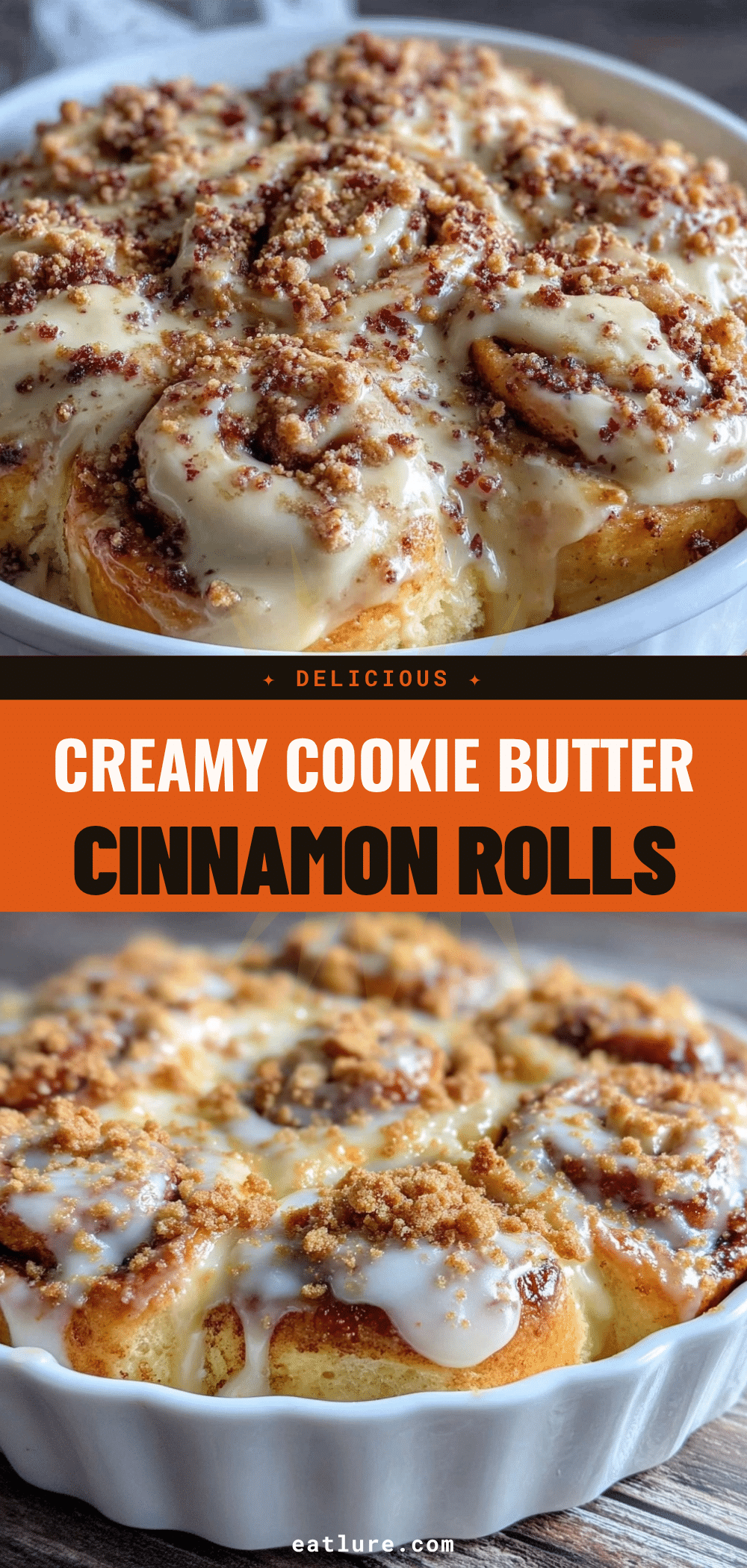

Biscoff Cinnamon Rolls: 5-Step Best Chewy Recipe
- Total Time: 2 hours 15 minutes
- Yield: 12 servings 1x
Description
Soft and chewy cinnamon rolls infused with Biscoff cookie spread in the dough and filling, topped with a sweet Biscoff glaze. A comforting, high-end bakery style treat perfect for brunch.
Ingredients
- 450g (3 ½ cups) All-purpose flour
- 60g (⅓ cup) Granulated sugar
- 7g (1 packet) Instant yeast
- 240ml (1 cup) Warm milk
- 2 Large eggs, room temperature
- 55g (¼ cup) Unsalted butter, softened
- 2 tablespoons Biscoff cookie spread, melted
- 1 teaspoon Salt
- 115g (½ cup) Unsalted butter, softened (for filling)
- 150g (¾ cup) Brown sugar
- 2 tablespoons Ground cinnamon
- 4 tablespoons Biscoff spread (for filling)
- 100g (1 cup) Confectioners’ sugar, sifted (for glaze)
- 2 tablespoons Biscoff spread, melted (for glaze)
- 1–2 tablespoons Milk or cream (for glaze)
- Crushed Biscoff cookies, optional (for garnish)
Instructions
- Activate the yeast: Combine warm milk and sugar in a small bowl, sprinkle yeast over the top, and let sit for 5-10 minutes until foamy.
- Mix the dough: Whisk flour and salt in a large bowl. Add eggs, melted butter, melted Biscoff spread, and yeast mixture. Mix until a shaggy dough forms. Knead on medium-low for 8-10 minutes (or by hand for 10 minutes) until smooth and elastic.
- First rise: Place dough in a lightly oiled bowl, cover, and let rise in a warm area until doubled in size (1-2 hours).
- Prepare the filling: Mix brown sugar and cinnamon. Soften the 115g butter for the filling.
- Shape the rolls: Punch down dough and roll into a 12×16 inch rectangle. Spread softened butter evenly, then sprinkle with Biscoff spread and cinnamon-sugar mixture. Roll tightly into a log and cut into 12 equal pieces.
- Second rise: Place rolls in a greased 9×13 inch baking dish, cover, and let rise until puffy (45-60 minutes).
- Bake: Preheat oven to 350°F (175°C). Bake rolls for 25-30 minutes until golden brown and internal temperature reaches 190°F (88°C).
- Make the glaze: Whisk confectioners’ sugar, melted Biscoff spread, and milk until smooth.
- Glaze and serve: Let rolls cool in pan for 10 minutes. Drizzle with glaze and sprinkle with crushed cookies if desired. Serve warm.
Notes
Ensure milk is lukewarm (105-115°F) to avoid killing the yeast. Do not overbake to prevent dryness. Rolls taste better the next day as flavors meld. For dairy-free, swap butter for coconut oil and milk for almond milk. For gluten-free, use a 1:1 gluten-free flour blend with xanthan gum.
- Prep Time: 45 minutes
- Cook Time: 30 minutes
- Category: Breakfast
- Cuisine: American
Nutrition
- Serving Size: 1 roll
- Calories: 375
- Sugar: 35
- Sodium: 250
- Fat: 14
- Saturated Fat: 8
- Carbohydrates: 55
- Fiber: 2
- Protein: 6
Keywords: Biscoff, cinnamon rolls, breakfast, brunch, dessert, yeast dough, cookie spread, chewy rolls, baking