The first time I tasted restaurant-quality mango sorbet, I nearly cried. It was creamy, intensely fruity, and somehow light enough to eat three bowls of without feeling guilty. But here is the thing about those high-end dessert places—they charge $12 for a small cup and use pureed concentrate that tastes like sugar water. Honestly? I was done with it. I wanted that same bright, tropical burst of flavor, but made in my own kitchen with real fruit and real yogurt.
That frustration led me to spend a rainy afternoon experimenting with frozen yogurt bases. I tried ice cream makers, I tried blending ice, and I even tried the old “bag in a bag” method with my kids (which was messy, but fun). Nothing quite hit the mark until I stumbled upon the simple science of freezing yogurt with fruit puree and a touch of sweetener. The result? This Homemade Mango Frozen Yogurt. It’s not just a dessert; it’s a memory of sunny afternoons, bottled up in a bowl.
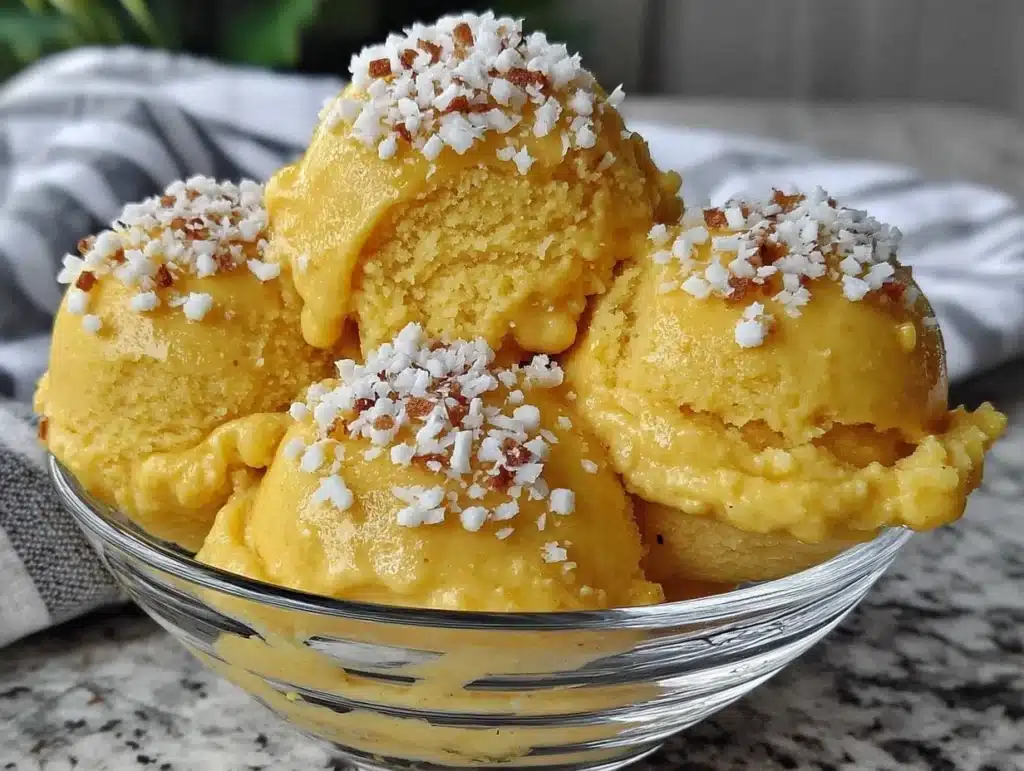
What makes this recipe special isn’t just the taste—it’s the texture. Because we are using full-fat yogurt, it churns up (or freezes) into something incredibly smooth, almost like a soft-serve gelato. There’s no icy crunch, no weird icy shards. Just pure, creamy mango bliss. I’ve tested this over a dozen times, tweaking the ratio of yogurt to fruit to get that perfect balance of tartness and sweetness. It’s become my go-to summer treat, and I know it’ll become yours too.
If you are looking for a dessert that feels indulgent but is actually packed with protein and probiotics, this is it. It’s perfect for hot days, post-dinner cravings, or even as a healthy breakfast treat if you’re feeling fancy. You don’t need fancy equipment or hard-to-find ingredients. Just ripe mangoes, good yogurt, and a little patience. Let’s face it, life is too short for bad frozen yogurt. This version? It’s restaurant-level quality with ten extra minutes of effort, and the payoff is absolutely worth it.
Why You’ll Love This Recipe
There is a specific kind of magic that happens when you combine high-quality yogurt with ripe, sweet mangoes. I’ve been making frozen desserts for years, and this particular combo is one of my absolute favorites. It’s not just because it tastes amazing, but because it solves a few common dessert dilemmas. First, it’s naturally dairy-heavy, which means you get that rich, creamy mouthfeel without needing heavy cream or egg yolks. Second, it’s incredibly forgiving. If your mangoes are a little less sweet, you can adjust the sugar. If they are super sweet, you can skip the sweetener entirely.
- Quick & Easy Prep: While freezing takes time, the actual hands-on prep is under 10 minutes. You blend, you pour, you freeze. It’s perfect for busy weeknights when you want something special but don’t want to spend hours in the kitchen.
- Simple Ingredients: You likely already have everything in your fridge. Greek yogurt, mangoes, a little honey or sugar, and maybe a squeeze of lime. No weird stabilizers or gums you can’t pronounce.
- Perfect for Summer: This is the ultimate summer dessert. It’s cooling, refreshing, and feels like a vacation in every bite. It’s great for potlucks, brunches, or just a solo treat on the porch.
- Crowd-Pleaser: Kids love the sweetness, and adults appreciate the tartness from the yogurt. It’s a versatile base that works for all ages.
- Unbelievably Delicious: The texture is the star here. When done right, it’s silky smooth. It’s comfort food reimagined—lighter than ice cream but just as satisfying.
What really sets this apart from other frozen yogurt recipes is the emphasis on fruit quality and yogurt fat content. Many recipes fail because they use low-fat yogurt, which results in an icy, crumbly texture. By using full-fat Greek yogurt, we ensure that the final product is rich and velvety. Plus, the acidity from the yogurt cuts through the sweetness of the mango, creating a complex flavor profile that keeps you coming back for more. It’s the kind of dessert that makes you close your eyes after the first bite and just sigh. It’s simple, but it’s done properly. And that makes all the difference.
What Ingredients You Will Need
This recipe relies on the quality of its components because there are no hidden flavors to mask imperfections. When you only have four or five ingredients, each one needs to pull its weight. I recommend using ripe, sweet mangoes for the best flavor, and full-fat Greek yogurt for that luxurious texture. Here is what you need to make this work.
- Ripe Mangoes (2 large or 3 cups puree): The star of the show. You can use fresh mangoes or high-quality frozen mango chunks. If using fresh, look for mangoes that yield slightly to pressure and smell fragrant at the stem. I personally prefer Alphonso or Ataulfo mangoes for their sweetness and lack of fiber, but Anya or Tommy Atkins work well too. Avoid mangoes that are mushy or have dark spots, as they can introduce off-flavors.
- Full-Fat Greek Yogurt (2 cups): This is crucial for texture. Low-fat or non-fat yogurt will result in an icy, less creamy product. I recommend brands like Fage or Chobani for their thick, dense consistency. The fat content helps create a smoother mouthfeel and prevents large ice crystals from forming during freezing.
- Honey or Agave Nectar (1/4 to 1/2 cup): Sweetener is optional depending on your mangoes, but it helps with texture by lowering the freezing point, making the yogurt softer. Honey adds a floral note that pairs beautifully with mango. Agave is a good neutral alternative if you want to keep it vegan. Start with 1/4 cup and taste the mixture before freezing.
- Fresh Lime Juice (1-2 tablespoons): This is the secret ingredient. The acidity brightens up the sweetness of the mango and enhances the tang of the yogurt. It prevents the dessert from tasting flat or cloying. Freshly squeezed is best; bottled juice often has a metallic aftertaste.
- Vanilla Extract (1 teaspoon): A small amount adds depth and warmth. It rounds out the fruity flavors and makes the dessert taste more like a classic frozen treat. Use pure vanilla extract, not imitation, for the best flavor.
If you are watching your sugar intake, you can reduce the honey or use a zero-calorie sweetener like stevia, though this may affect the texture slightly. For a dairy-free version, swap the Greek yogurt for coconut yogurt, but note that the texture will be lighter and less dense. I’ve also added a pinch of salt to some batches, which really amplifies the fruit flavor. It’s a small touch, but one worth trying.
Which type of mango is best for frozen yogurt?
Alphonso and Ataulfo (Honey) mangoes are ideal because they are sweeter, less fibrous, and have a richer flavor. They blend into a smoother puree. However, Tommy Atkins mangoes are widely available and work well if you add a bit more sweetener to compensate for their milder taste.
Can I use frozen mango chunks?
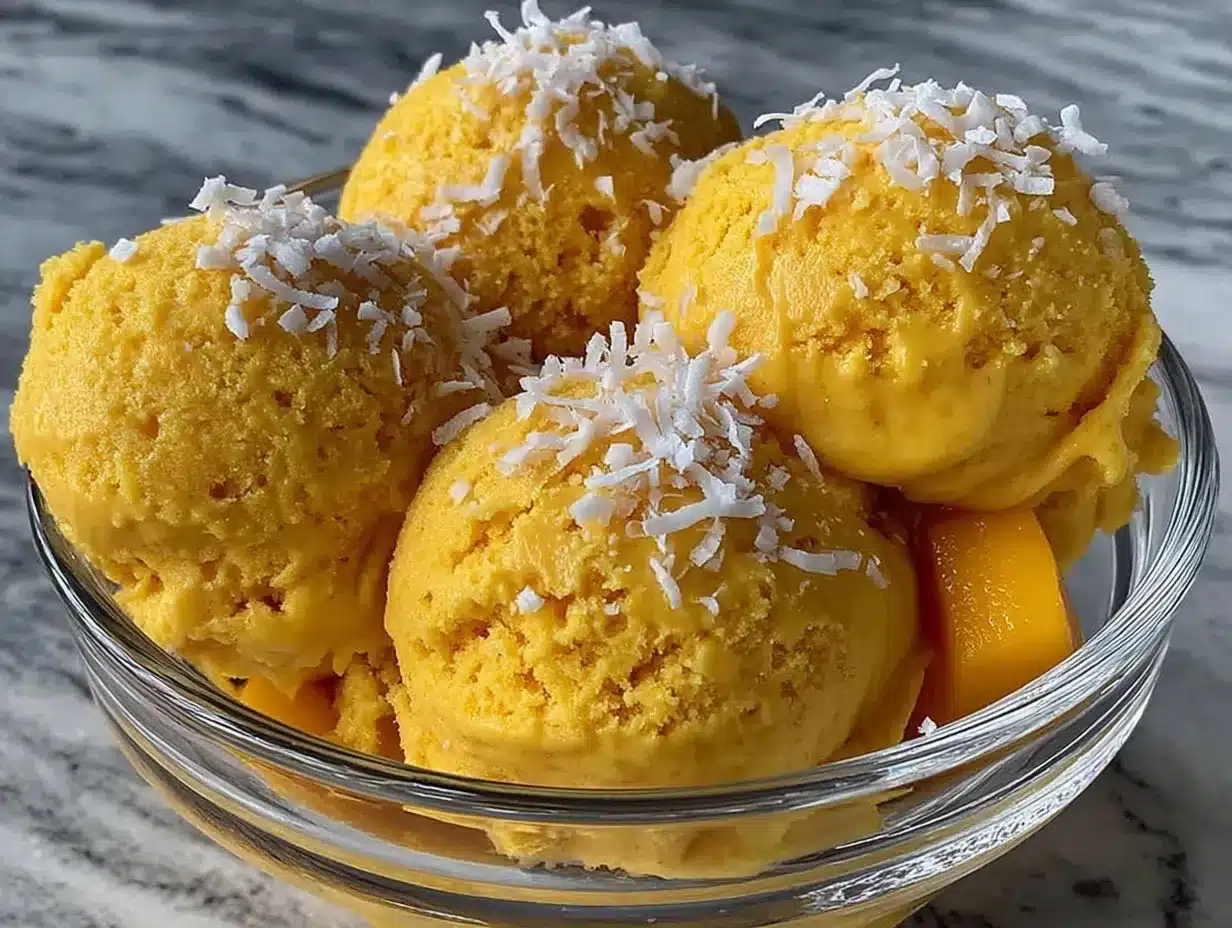
Absolutely. In fact, frozen mangoes can make the process easier because they are already cold and often pre-peeled and chopped. Just thaw them slightly before blending to make it easier on your blender. The texture of the final yogurt will be very similar, perhaps even slightly creamier since the frozen fruit helps chill the mixture quickly.
Equipment Needed
You don’t need a lot of fancy gear to make this, but having the right tools makes a big difference in the final texture. Here is what you’ll need to get started.
- High-Speed Blender or Food Processor: This is the most important tool. You need something powerful enough to puree the mangoes into a completely smooth consistency. A standard blender might leave chunks, which can turn into icy bits when frozen. I use a Vitamix, but a Ninja or Blendtec works well too. If you don’t have a high-speed blender, you can use a hand blender, but you may need to strain the puree afterward to remove fibers.
- Airtight Freezer-Safe Container: Glass containers with tight-fitting lids are best. They don’t absorb odors and are easy to clean. Plastic containers work too, but make sure they are BPA-free and have a good seal to prevent freezer burn. A 1-quart or 1.5-quart container is usually perfect for this amount.
- Measuring Cups and Spoons: Standard baking tools. Accuracy matters here, especially with the sweetener, to get the right balance of flavor and texture.
- Spatula: A silicone spatula is useful for scraping down the sides of the blender and transferring the mixture to the container.
If you have an ice cream maker, you can use it to churn this mixture for an even airier texture. However, it is not necessary. The no-churn method works beautifully and is less hassle. If you do use an ice cream maker, just follow the manufacturer’s instructions for churning time. For maintenance, always ensure your blender blades are sharp and clean to avoid cross-contamination of flavors.
Preparation Method
Making this homemade mango frozen yogurt is straightforward, but there are a few key steps to ensure it turns out perfectly creamy. Here is how to do it.
- Prepare the Mangoes: If using fresh mangoes, peel them and cut the flesh off the pit. Place the mango chunks into your blender. If using frozen mangoes, let them sit at room temperature for about 10-15 minutes to soften slightly. This makes blending easier and protects your blender motor. You should have about 3 cups of mango puree. (Time: 10 minutes)
- Puree the Mangoes: Blend the mangoes on high speed until completely smooth. If your blender is struggling, add a splash of water or lime juice to help it move. You want a silky smooth puree with no visible chunks. If you notice any fibrous strands, you can strain the puree through a fine-mesh sieve, though this is optional. (Time: 2-3 minutes)
- Mix the Base: In a large bowl, combine the full-fat Greek yogurt, honey (or agave), lime juice, and vanilla extract. Whisk them together until the sweetener is fully dissolved and the mixture is uniform. Taste the mixture. If the mangoes are very sweet, you may not need all the honey. Adjust sweetness to your preference. (Time: 2 minutes)
- Combine Mango and Yogurt: Pour the mango puree into the yogurt mixture. Stir gently but thoroughly until everything is well combined. The mixture should be a vibrant yellow color and have a smooth, pourable consistency. (Time: 1 minute)
- Freeze: Pour the mixture into your airtight freezer-safe container. Cover tightly with a lid or plastic wrap pressed directly onto the surface of the yogurt to prevent ice crystals. Place the container in the freezer. (Time: 4-6 hours, or overnight)
- Stir for Creaminess (Optional but Recommended): For an even smoother texture, remove the container from the freezer after 2 hours and stir vigorously with a fork or whisk to break up any forming ice crystals. Repeat this process every hour for the first 3-4 hours. This step is crucial if you are not using an ice cream maker. (Time: 15 minutes total, spread over 4 hours)
- Serve: Once frozen to your desired consistency, scoop into bowls. If it’s too hard to scoop, let it sit at room temperature for 5-10 minutes before serving. Garnish with fresh mango chunks, mint leaves, or a drizzle of honey if you like. (Time: 5 minutes)
Common mistakes to avoid: Not blending the mangoes smoothly enough can lead to icy chunks. Also, skipping the stirring step can result in a block of ice rather than creamy yogurt. Don’t rush the freezing process; patience pays off in texture.
Cooking Tips & Techniques
Getting the texture right is the biggest challenge with no-churn frozen desserts. Here are some professional tips to help you succeed.
- Use Full-Fat Yogurt: As mentioned, fat is your friend. It coats the water molecules in the yogurt and prevents them from forming large ice crystals. Skim milk yogurt will result in a harder, icier product. Don’t cut corners here.
- Don’t Over-Sweeten: It’s easy to add too much honey, thinking it will make it sweeter. Remember, frozen foods taste less sweet than room-temperature foods. Start with less sweetener and add more after thawing slightly if needed. Over-sweetening can also make the yogurt too soft and difficult to scoop.
- The Stirring Technique: If you are doing the no-churn method, the stirring is non-negotiable. It incorporates air and breaks up ice crystals. Use a fork or a small whisk. You don’t need to be gentle; mix it up well. This step transforms a block of ice into creamy yogurt.
- Temperature Control: Make sure your container is cold before pouring the mixture in. You can even chill your container in the freezer for 30 minutes beforehand. This helps the mixture freeze faster, which leads to smaller ice crystals.
- Personal Failure Lesson: I once tried to rush this by putting it in the freezer for only 2 hours. The result was slushy and grainy. Trust the process. Let it freeze for at least 4-6 hours, preferably overnight, for the best results.
Timing is everything. Plan ahead. If you want this for a Friday night dessert, start prepping on Thursday morning. It’s a low-effort, high-reward recipe, but it does require some advance planning.
Variations & Adaptations
While the classic mango version is my favorite, this base is very versatile. Here are a few ways to mix it up.
- Mango-Coconut: Swap half of the Greek yogurt for coconut yogurt or add 1/2 cup of coconut milk. Add 1/4 cup of toasted coconut flakes to the mixture before freezing for extra texture. This makes the dessert vegan and dairy-free.
- Mango-Chili-Lime: Add a pinch of cayenne pepper or chili powder to the mixture. This creates a sweet-heat combo that is incredibly addictive. It’s a popular street food flavor in Mexico and Southeast Asia.
- Mango-Basil: Blend a handful of fresh basil leaves into the mango puree. The herbal notes complement the tropical fruit beautifully. It sounds strange, but it works surprisingly well.
- Low-Sugar Option: Use stevia or monk fruit sweetener instead of honey. You may need to add a tablespoon of almond milk to help dissolve the sweetener properly. The texture will be slightly less creamy, but still delicious.
- Personal Favorite: I often add a tablespoon of matcha powder to the yogurt base. The earthy green tea flavor balances the sweet mango perfectly. It’s a unique twist that I highly recommend trying.
These variations allow you to adapt the recipe to your dietary needs or taste preferences. Feel free to experiment and find your own signature combination.
Serving & Storage Suggestions
This frozen yogurt is best served immediately after scooping. If you store it, it will harden in the freezer. To serve, let it sit on the counter for 5-10 minutes to soften slightly. This makes it easier to scoop and enhances the flavor.
For storage, keep it in an airtight container in the freezer for up to 2 weeks. After that, it may start to develop ice crystals or lose its creamy texture. If you notice this, you can re-blend it with a little milk or yogurt to restore the texture.
Complementary dishes: This pairs well with fresh fruit salad, granola, or a drizzle of chocolate sauce. It’s also great alongside spicy dishes like Thai curry or tacos, as the coolness balances the heat.
Reheating: You don’t need to reheat it. Just let it thaw slightly. If you accidentally freeze it too hard, you can microwave it for 10-15 seconds to soften it up.
Nutritional Information & Benefits
One serving (1/2 cup) of this homemade mango frozen yogurt contains approximately 150 calories, 10g of sugar, 8g of protein, and 5g of fat. It is a good source of Vitamin C, Vitamin A, and probiotics from the yogurt.
The mangoes provide natural sugars for energy, while the yogurt offers protein and calcium. This makes it a more balanced dessert than traditional ice cream. It’s also gluten-free and can be made dairy-free.
From a wellness perspective, I love that this dessert feels indulgent but doesn’t leave me feeling sluggish. The probiotics in the yogurt support gut health, and the antioxidants in the mangoes support skin health. It’s a treat that’s good for your body too.
Conclusion
Making homemade mango frozen yogurt is a simple yet rewarding process. It allows you to control the ingredients, avoid artificial additives, and create a dessert that is both healthy and delicious. With just a few simple steps, you can enjoy restaurant-quality frozen yogurt in the comfort of your home.
I encourage you to try this recipe and customize it to your liking. Add your favorite fruits, experiment with different sweeteners, or try the chili-lime variation. I’m confident you’ll love it as much as I do.
If you make this recipe, please leave a comment below and let me know how it turned out. I love hearing from you and seeing your creations. Share your photos on social media and tag me so I can see your delicious results. Happy freezing!
Frequently Asked Questions
Can I use frozen mangoes instead of fresh?
Yes, frozen mangoes work perfectly fine. Just let them thaw slightly before blending to make it easier on your blender. The texture of the final yogurt will be very similar, and it can even be creamier since the frozen fruit helps chill the mixture quickly.
Why is my frozen yogurt icy?
Icy texture usually results from using low-fat yogurt or not stirring the mixture during the freezing process. Fat helps create creaminess, and stirring breaks up ice crystals. Make sure to use full-fat Greek yogurt and stir every hour for the first few hours of freezing.
How long does this last in the freezer?
It will stay fresh and creamy for up to 2 weeks. After that, it may develop ice crystals or lose its texture. Store it in an airtight container to prevent freezer burn.
Can I use a different type of yogurt?
You can use coconut yogurt for a dairy-free version, but the texture will be lighter. Skim milk yogurt will result in a harder, icier product. For the best texture, stick with full-fat Greek yogurt.
Do I need an ice cream maker?
No, an ice cream maker is not necessary. The no-churn method works beautifully. However, if you have one, you can use it to churn the mixture for a slightly airier texture. Follow your machine’s instructions for churning time.
Pin This Recipe!
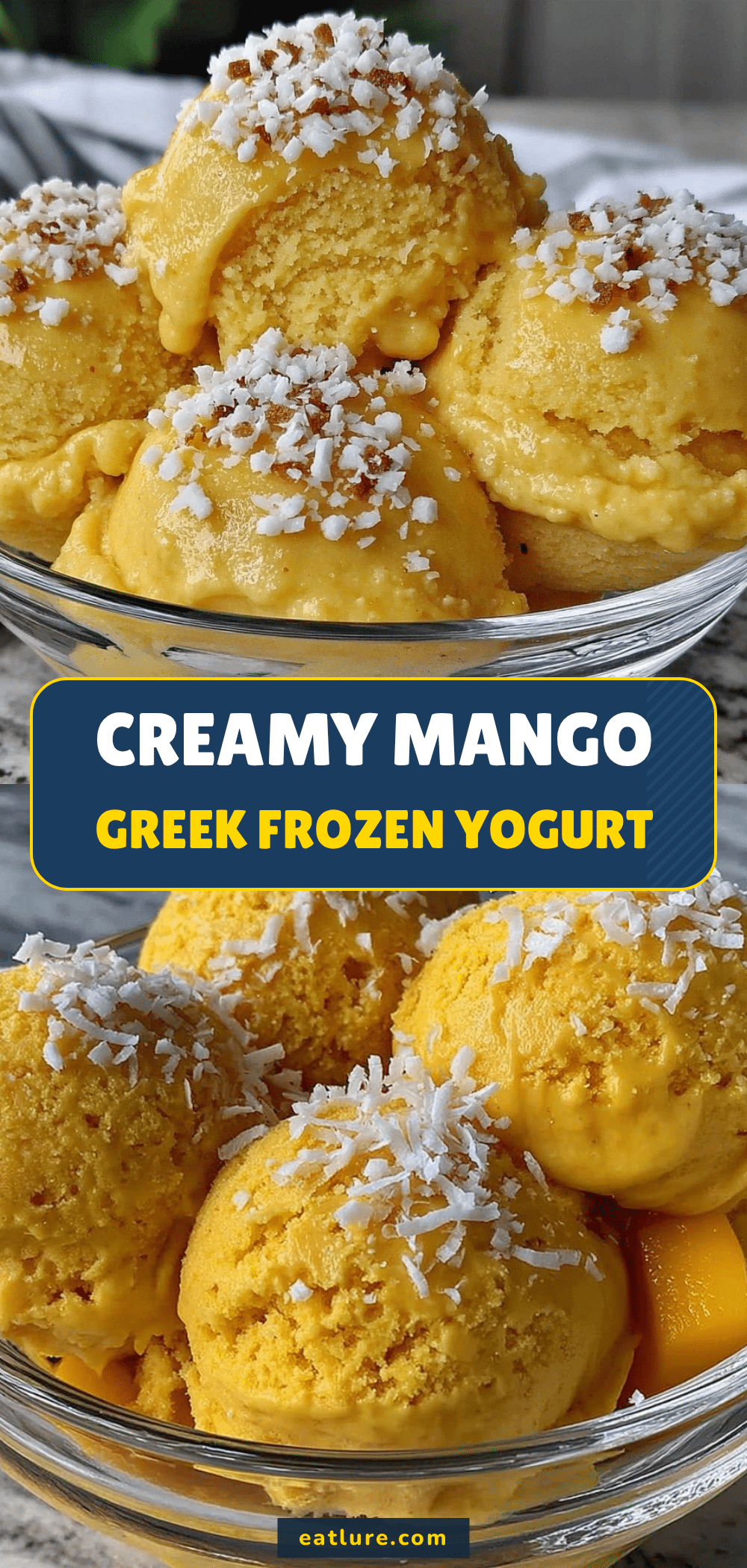

Homemade Mango Frozen Yogurt: 10-Min Restaurant Dessert
- Total Time: 4 hours 10 minutes
- Yield: 4 servings 1x
Description
A creamy, restaurant-quality mango frozen yogurt made with just five simple ingredients. This no-churn dessert is ready in minutes of prep time and offers a smooth, icy-free texture perfect for summer.
Ingredients
- 3 cups ripe mango puree (from 2 large fresh mangoes or frozen mango chunks)
- 2 cups full-fat Greek yogurt
- 1/4 to 1/2 cup honey or agave nectar (adjust to taste)
- 1–2 tablespoons fresh lime juice
- 1 teaspoon pure vanilla extract
Instructions
- Prepare the mangoes: Peel and cut fresh mangoes or thaw frozen chunks slightly. Blend into a completely smooth puree.
- Mix the base: In a large bowl, whisk together the Greek yogurt, honey (or agave), lime juice, and vanilla extract until the sweetener is dissolved.
- Combine: Pour the mango puree into the yogurt mixture and stir gently but thoroughly until well combined.
- Freeze: Pour the mixture into an airtight freezer-safe container. Cover tightly, pressing plastic wrap directly onto the surface to prevent ice crystals.
- Stir for creaminess: After 2 hours in the freezer, remove the container and stir vigorously with a fork or whisk to break up ice crystals. Repeat this process every hour for the first 3-4 hours.
- Serve: Once frozen to your desired consistency, scoop into bowls. Let sit at room temperature for 5-10 minutes if too hard to scoop. Garnish with fresh fruit or mint if desired.
Notes
Use full-fat Greek yogurt for the creamiest texture; low-fat yogurt results in an icy product. If using frozen mangoes, thaw slightly before blending. Stirring during the freezing process is crucial to prevent ice crystals. Can be stored in the freezer for up to 2 weeks.
- Prep Time: 10 minutes
- Cook Time: 0 minutes
- Category: Dessert
- Cuisine: American
Nutrition
- Serving Size: 1/2 cup
- Calories: 150
- Sugar: 10
- Sodium: 10
- Fat: 5
- Saturated Fat: 3
- Carbohydrates: 20
- Fiber: 1
- Protein: 8
Keywords: mango frozen yogurt, homemade frozen yogurt, no churn dessert, healthy summer dessert, dairy-free option, gluten-free dessert