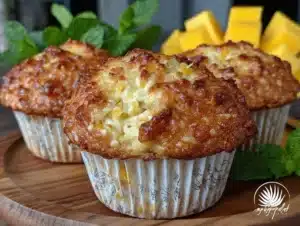
There is a specific sound a perfect cake makes when you slice into it. It’s not a squelch, and it isn’t dry. It’s a soft, tender sigh, followed by the gentle crunch of a golden, caramelized crust. I remember standing in my aunt’s kitchen in Lyon, watching her pull a simple butter cake out of the oven. It looked humble, just a few ingredients in a round pan, but the aroma was thick enough to chew. She served it warm with a dusting of powdered sugar, and that first bite felt like a warm hug on a rainy Tuesday.
Most home bakers struggle with butter cakes because they are afraid of the butter. They undermix it, or they bake it too fast, resulting in a dense brick that lacks soul. Honestly, let’s face it, buying a store-bought cake feels like cheating yourself out of joy. You know that feeling when you take a bite of something made with care? The texture is dense yet airy, rich but not heavy. That is what I call true comfort food.
This best French butter cake recipe is my answer to that frustration. It relies on just seven ingredients, but the technique is what makes it restaurant-quality. I’ve tested this version over a dozen times, tweaking the oven temperature and mixing times until I got that signature golden crust. It’s perfect for busy weeknights when you want something special without the fuss of a complicated pastry. If you love rich, buttery flavors, this is your new go-to. It’s the kind of cake that makes you close your eyes after the first bite, wondering how it got so good.
Why does this one stand out? Because we aren’t just mixing flour and sugar. We are building structure. The crust is the star here, that deep amber edge that hints at the sweetness inside. It’s simple ingredients, sure, but executed with precision. You likely have everything in your kitchen right now. No fancy grocery trips needed. This recipe is a crowd-pleaser, always getting rave reviews from kids and adults alike. It’s unbelievably delicious, offering a texture that is next-level comfort food. It’s not just good; it’s the kind of cake that turns a simple afternoon tea into a memorable event.
Why You’ll Love This Recipe
After years of baking, I’ve learned that the best desserts aren’t the most complex ones. They are the ones where every ingredient shines. This French butter cake is a testament to that philosophy. I’ve spent countless hours in the kitchen, burning batches of cookies and collapsing soufflés, to bring you this perfected version. It’s chef-tested for texture and family-approved for taste. There is a reason this recipe has become a staple in my home, and it’s simple: it just works, every single time.
- Quick & Easy: Comes together in under 45 minutes from start to finish. This is perfect for busy weeknights or last-minute cravings when you need a sweet fix fast.
- Simple Ingredients: No fancy grocery trips needed. You likely already have eggs, butter, sugar, flour, and milk in your pantry. It’s pantry-friendly baking at its finest.
- Perfect for Afternoon Tea: Great for brunch, potlucks, or cozy dinners. It pairs beautifully with coffee or tea, making it a versatile addition to any gathering.
- Crowd-Pleaser: Always gets rave reviews from kids and adults alike. The mild sweetness appeals to everyone, even those with sensitive palates.
- Unbelievably Delicious: The texture and flavor combo is next-level comfort food. It’s rich, buttery, and moist without being greasy.
What makes this recipe different from the rest? It’s the technique. We use a specific mixing method that incorporates air into the butter and sugar, creating a fine crumb. Then, we bake it at a slightly higher temperature initially to set that crust. It’s not just another version; it’s your best version. The crust is the hook. It’s that golden, slightly crisp edge that makes it taste like it cost more than it actually did. It’s comfort food reimagined—healthier in the sense that it uses real butter, but with the same soul-soothing satisfaction as a patisserie treat. It’s perfect for impressing guests without stress, or turning a simple meal into something memorable.
What Ingredients You Will Need
This recipe uses simple, wholesome ingredients to deliver bold flavor and satisfying texture without the fuss. The beauty of a French butter cake lies in its minimalism. You don’t need exotic spices or expensive chocolates. You need quality basics that come together in harmony. I always recommend using high-quality European-style butter if you can find it, as the higher fat content adds richness. But honestly, standard unsalted butter works perfectly fine if you control the salt yourself.
- Unsalted Butter, softened: This is the heart of the cake. Use room temperature butter so it creams properly. (Adds richness and moisture)
- Granulated Sugar: White sugar creates that delicate, crisp crust. Brown sugar can make it too chewy, so stick to white for this classic style.
- Eggs, room temperature: Cold eggs can cause the butter to seize. Let them sit out for 30 minutes before you start.
- All-Purpose Flour: Standard flour is all you need. Cake flour can be used for a lighter crumb, but AP gives that satisfying density.
- Milk, whole: Adds tenderness. You can substitute with buttermilk for a slight tang, but plain whole milk is traditional.
- Baking Powder: Just a little bit helps the cake rise slightly without making it too airy.
- Salt: A pinch to balance the sweetness. If your butter is unsalted, this is crucial.
- Vanilla Extract: Pure vanilla is best. Artificial flavoring can taste chemical and overpower the delicate butter flavor.
I recommend Kerrygold or Plugra for best texture if you want that extra richness. Look for firm, small-curd cottage cheese? No, wait, that’s for breads! For this cake, just ensure your butter is soft but not melted. If you don’t have vanilla, a drop of almond extract works wonders too. Keep this section scannable because you’ll be referencing it while you bake. Avoid long paragraphs—this isn’t the place for in-depth food science. Just grab your ingredients and let’s get started.
Equipment Needed
You don’t need a fancy kitchen to make this cake. A standard home oven and a few basic tools are all you require. The most important piece of equipment is a reliable oven thermometer. Ovens often run hot or cold, and that variance can ruin a delicate cake. I learned this the hard way after several dense batches. A $10 thermometer saved my baking career.
You will need a 9-inch round cake pan or a similar-sized loaf pan. If you use a glass pan, reduce the oven temperature by 25 degrees Fahrenheit. Metal pans conduct heat better, which helps create that coveted crust. A stand mixer or a hand mixer is helpful for creaming the butter and sugar, though you can do it by hand if you have strong arms. A whisk is essential for combining the dry ingredients evenly. Finally, a cooling rack is non-negotiable. Never leave a cake in the hot pan, or it will steam and become soggy on the bottom. I recommend investing in a sturdy wire rack; cheap ones bend under the weight of a heavy cake.
How Do I Get That Perfect Crust?

The secret to the crust is temperature and sugar. By creaming the sugar with the butter, you create tiny air pockets. When the cake bakes, the sugar on the surface caramelizes quickly. Don’t skip the step of brushing the pan with a little melted butter and sugar before pouring the batter. It acts as a primer for that golden edge.
Preparation Method
Let’s get into the nitty-gritty. This process is straightforward, but attention to detail is key. Preheat your oven to 350°F (175°C). Grease your 9-inch cake pan thoroughly with butter and dust with flour, tapping out the excess. This ensures the cake releases easily later.
Step 1: Cream the Butter and Sugar (5 minutes)
In a large bowl, combine the softened butter and granulated sugar. Using a mixer on medium-high speed, beat them together until the mixture is pale yellow and fluffy. This step takes about 5 minutes. You are incorporating air into the fat, which provides the cake’s structure. If you skip this, your cake will be dense. Scrape down the sides of the bowl to ensure even mixing.
Step 2: Add Eggs and Vanilla (2 minutes)
Add the eggs one at a time, beating well after each addition. This prevents the mixture from curdling. Mix in the vanilla extract. The batter should look smooth and creamy. If it looks slightly separated, don’t panic; just add a spoonful of flour to stabilize it.
Step 3: Combine Dry Ingredients (1 minute)
In a separate bowl, whisk together the flour, baking powder, and salt. This ensures the leavening agent is evenly distributed, preventing bitter spots.
Step 4: Mix Wet and Dry (2 minutes)
Reduce your mixer speed to low. Add the dry ingredients in three parts, alternating with the milk. Start and end with the dry ingredients. Mix just until combined. Overmixing at this stage develops gluten, leading to a tough cake. The batter should be thick but pourable.
Step 5: Bake (30-35 minutes)
Pour the batter into the prepared pan. Smooth the top with a spatula. Bake for 30-35 minutes. Do not open the oven door before the 25-minute mark, or the cake may collapse. The cake is done when the top is golden brown and a toothpick inserted into the center comes out clean or with a few moist crumbs.
Step 6: Cool Completely (30 minutes)
Let the cake cool in the pan for 10 minutes, then turn it out onto a wire rack. Let it cool completely before slicing. This allows the crumb to set. Slicing a warm cake can result in it falling apart.
Why Does My Cake Crack on Top?
A little crack is normal and adds to the rustic charm. However, if it cracks significantly, your oven might be too hot. Try lowering the temperature by 25 degrees next time. Also, ensure you are filling the pan only two-thirds full to allow room for expansion.
Cooking Tips & Techniques
Professional bakers know that baking is as much about science as it is about cooking. One common mistake is using cold eggs. I once made a cake with cold eggs straight from the fridge, and the batter looked like curdled milk. It was a disaster. Always bring your eggs and butter to room temperature. This emulsification is crucial for a smooth batter.
Another tip is to weigh your ingredients. Volume measurements (cups) can be inaccurate depending on how tightly you pack the flour. A digital scale ensures consistency. For example, 1 cup of flour is roughly 120 grams. Using weight eliminates guesswork.
Don’t open the oven door too often. Every time you open it, you lose heat, which can cause the cake to sink. Trust the timer. Use the toothpick test, but also look for the edges pulling away from the pan slightly. That’s a good sign. If you’re baking multiple pans, rotate them halfway through for even browning.
How Can I Tell If It’s Done?
Aside from the toothpick test, listen to the cake. When you gently press the center, it should spring back. If it leaves an indentation, it needs more time. The aroma should also change from raw batter to a rich, buttery scent.
Variations & Adaptations
While the classic version is divine, there are many ways to adapt this recipe. You can add a cup of fresh berries, like blueberries or raspberries, for a fruity twist. Toss them in flour first to prevent them from sinking to the bottom. For a chocolate lover, fold in ½ cup of dark chocolate chips. They add pockets of melted richness that contrast with the tender crumb.
If you want a gluten-free option, use a 1:1 gluten-free flour blend. The texture might be slightly more delicate, but the flavor remains the same. For a dairy-free version, substitute the butter with a high-quality plant-based butter and use almond milk. It won’t be identical, but it will still be moist and delicious.
I also love adding a lemon glaze. Mix powdered sugar with fresh lemon juice and drizzle it over the cooled cake. The acidity cuts through the richness of the butter, creating a balanced flavor profile. This is my personal favorite variation, especially in the spring.
Can I Make This Ahead?
Yes! This cake actually tastes better the next day. The flavors meld together, and the texture becomes even more moist. Store it in an airtight container at room temperature for up to three days.
Serving & Storage Suggestions
Serve this cake at room temperature for the best flavor and texture. It pairs beautifully with a hot cup of black coffee or Earl Grey tea. For a special occasion, garnish with fresh berries or a dollop of whipped cream. The visual appeal is simple but elegant, perfect for Pinterest-worthy photos.
For storage, wrap the cooled cake tightly in plastic wrap or place it in an airtight container. It will stay fresh at room temperature for up to three days. If you need to store it longer, freeze it. Wrap individual slices in plastic wrap and then in aluminum foil. They can be frozen for up to three months. To thaw, leave them at room temperature for an hour.
Reheating is easy. If you want a warm slice, microwave it for 10-15 seconds. This softens the crust slightly and warms the center. Avoid over-microwaving, or it will become tough. The flavors develop over time, so don’t be surprised if day two tastes even better than day one.
What Drinks Pair Well With This Cake?
Since the cake is rich and buttery, you want a drink that cuts through that richness. Black coffee, espresso, or black tea are classic choices. A glass of chilled white wine, like a Sauvignon Blanc, also works surprisingly well for a sophisticated afternoon treat.
Nutritional Information & Benefits
While this cake is a treat, it’s made with simple, recognizable ingredients. Each slice contains approximately 250 calories, with a balance of carbohydrates and fats from the butter and sugar. It is not particularly high in protein or fiber, so consider it a indulgent dessert rather than a health food.
The use of real butter provides fat-soluble vitamins, though it is high in saturated fat. For those watching their sugar intake, you can reduce the sugar by ¼ cup without significantly affecting the texture. The cake is naturally nut-free, making it safe for most allergy concerns, but always check your specific ingredient labels.
From a wellness perspective, I believe in enjoying food mindfully. This cake is meant to be savored, not consumed in haste. Sharing it with loved ones adds to the nutritional value in a different way—emotional nourishment. It’s a reminder that food is about connection and joy, not just numbers on a label.
Is This Cake Gluten-Free?
The standard recipe contains wheat flour, so it is not gluten-free. However, as mentioned in the variations section, you can easily swap in a gluten-free flour blend to make it suitable for those with celiac disease or gluten sensitivity.
Conclusion
This best French butter cake recipe is worth trying because it balances simplicity with sophistication. It proves that you don’t need a long list of ingredients to make something extraordinary. Just butter, sugar, eggs, and flour, combined with care and attention. I love this recipe because it brings me back to those memories of my aunt’s kitchen. It’s a testament to the power of traditional baking methods.
Feel free to customize it with your favorite fruits, nuts, or extracts. Make it your own. I encourage you to leave a comment below with your adaptations or questions. Sharing your experiences helps build our community of bakers. And if you make this cake, please share a photo! I love seeing your creations.
Happy baking! May your crusts be golden and your crumbs be tender. This cake is more than just dessert; it’s a moment of peace in a busy world. Enjoy every bite.
Frequently Asked Questions
Can I use margarine instead of butter?
It is not recommended. Margarine has a higher water content and different fat structure, which can affect the texture and flavor. Real butter is essential for that authentic French taste.
Why is my cake dense?
This usually happens if you overmix the batter after adding the flour, or if you didn’t cream the butter and sugar enough. Ensure you mix gently and cream until fluffy.
Can I double the recipe?
Yes, you can double the recipe and bake it in two pans or a larger pan. Adjust the baking time accordingly, checking for doneness a few minutes earlier.
How do I store leftover cake?
Store it in an airtight container at room temperature for up to three days. For longer storage, freeze individual slices wrapped in plastic and foil.
Is this cake suitable for vegans?
The standard recipe is not vegan as it contains eggs and butter. You can adapt it using egg substitutes and plant-based butter, but the texture will differ.
Pin This Recipe!


Best French Butter Cake: Perfect Crust & Easy 7-Ingredient Recipe
- Total Time: 50 minutes
- Yield: 8 servings 1x
Description
A simple yet sophisticated French butter cake featuring a golden, caramelized crust and a tender, moist crumb. Made with just seven pantry staples, this recipe delivers restaurant-quality results with minimal effort.
Ingredients
- 1 cup unsalted butter, softened to room temperature
- 1 cup granulated sugar
- 4 large eggs, room temperature
- 2 cups all-purpose flour
- 1/2 cup whole milk
- 1 teaspoon baking powder
- 1/2 teaspoon salt
- 1 teaspoon vanilla extract
Instructions
- Preheat oven to 350°F (175°C). Grease a 9-inch round cake pan with butter and dust with flour, tapping out excess.
- In a large bowl, cream the softened butter and granulated sugar together on medium-high speed for 5 minutes until pale and fluffy.
- Add eggs one at a time, beating well after each addition. Mix in the vanilla extract until smooth.
- In a separate bowl, whisk together the flour, baking powder, and salt.
- Reduce mixer speed to low. Add dry ingredients in three parts, alternating with milk, starting and ending with dry ingredients. Mix just until combined.
- Pour batter into prepared pan and smooth the top. Bake for 30-35 minutes until golden brown and a toothpick inserted comes out clean.
- Cool in the pan for 10 minutes, then turn out onto a wire rack to cool completely before slicing.
Notes
Ensure butter and eggs are at room temperature for proper emulsification. Do not overmix the batter after adding flour to avoid a tough texture. For a perfect crust, brush the pan with melted butter and sugar before pouring batter. The cake tastes better the next day as flavors meld.
- Prep Time: 15 minutes
- Cook Time: 35 minutes
- Category: Dessert
- Cuisine: French
Nutrition
- Serving Size: 1 slice
- Calories: 250
- Sugar: 20
- Sodium: 120
- Fat: 14
- Saturated Fat: 9
- Carbohydrates: 28
- Fiber: 1
- Protein: 4
Keywords: French butter cake, easy cake recipe, golden crust cake, simple dessert, butter cake, afternoon tea, comfort food