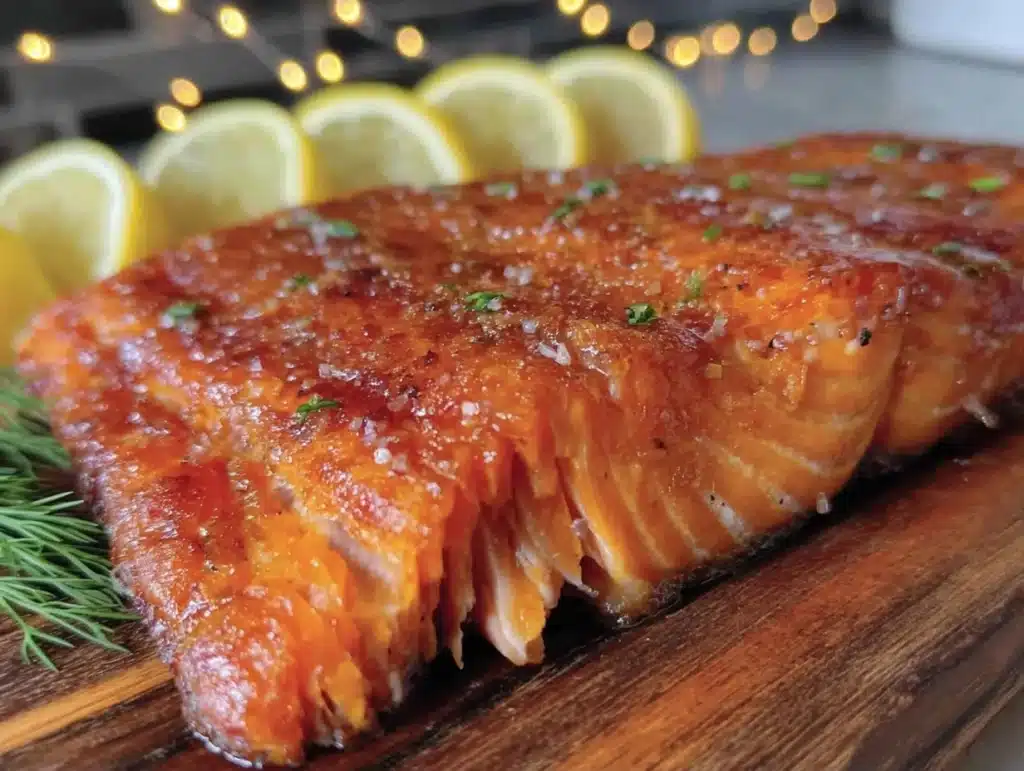
The smell of hickory smoke drifting through the backyard window is enough to make anyone stop what they are doing and take a deep breath. I still remember the first time I successfully smoked salmon, it was a crisp October morning when I decided to try something new instead of just grilling burgers. I had bought a nice fillet from the local market, thinking it would be quick and easy. What I got was a dry, overcooked mess that tasted more like fish sticks than anything fancy. I was embarrassed, honestly. But I didn’t give up. I spent the next six months tweaking brines, adjusting temps, and learning how to read the smoke.
Now, this easy smoked salmon recipe is my go-to for impressing guests without spending hours in the kitchen. It’s not just about the flavor; it’s about that beautiful, translucent pink color and the flaky texture that melts in your mouth. You know how restaurant smoked salmon costs a fortune? This homemade version tastes just as good, if not better, because you control every single step. I’ve tested this method over a dozen times with different woods and brines, and this specific combination is the winner.
If you are looking for a project that feels professional but is actually quite simple, this is it. It’s perfect for weekend brunches, holiday appetizers, or just treating yourself to some high-protein snacks. The process teaches you patience, but the payoff is immediate. You’ll find yourself making this again and again, especially when you want to pair it with a cold beverage or serve it alongside some of my other favorite smoker recipes like crispy garlic chicken for a full outdoor feast.
Why You’ll Love This Recipe
There is something deeply satisfying about smoking your own food from scratch. It connects you to traditional preservation methods while giving you modern, restaurant-quality results. After years of trial and error, I can confidently say this is the best way to prepare salmon at home. It isn’t just another fish recipe; it’s an experience that changes how you view seafood. Here is why this method stands out from the rest:
- Quick & Easy Prep: Most of the time is passive. The brining takes a few hours, but the actual smoking is mostly hands-off. You can set it up and go enjoy your morning.
- Simple Ingredients: You don’t need a chemistry set. Just salmon, salt, sugar, and your choice of wood chips. No fancy sauces or complex marinades needed.
- Perfect for Entertaining: This is a showstopper appetizer. It looks elegant on a platter and always gets compliments from guests who assume you bought it from a high-end deli.
- Crowd-Pleaser: Even people who claim they “don’t like fish” usually love this. The smoke mellows out any “fishy” taste, leaving a clean, savory flavor.
- Unbelievably Delicious: The texture is key here. It’s firm enough to slice but tender enough to flake apart with a fork. The flavor profile is rich and smoky without being overpowering.
What makes this recipe different is the emphasis on the pellicle. Many home cooks skip this step, but forming that tacky surface layer is crucial for the smoke to adhere properly. I learned this the hard way when my first batch came out pale and bland. Now, I never skip it. This recipe isn’t just about cooking fish; it’s about mastering a technique that elevates any meal. It’s comfort food with a sophisticated twist, perfect for those cozy weekend mornings when you want to feel like a culinary expert.
What Ingredients You Will Need
This recipe relies on high-quality basics to deliver a bold, clean flavor. The beauty of smoking salmon is that the ingredients don’t fight each other; they work together to enhance the natural richness of the fish. You likely have most of these items in your pantry already. For the best results, always look for fresh, wild-caught salmon if your budget allows, as it has a firmer texture and better flavor than farmed varieties. I personally prefer Atlantic salmon for its fat content, which keeps it moist during the smoking process.
- Salmon Fillets: Aim for 1.5 to 2 pounds of skin-on fillets. Skin-on helps hold the flesh together. Look for bright red or orange flesh with white fat lines. Avoid any fish with a strong ammonia smell.
- Kosher Salt: I recommend Diamond Crystal kosher salt because the flakes are light and dissolve evenly. Table salt is too dense and can easily over-salt the fish if you aren’t careful.
- Brown Sugar: This adds a subtle sweetness that balances the salt. It also helps with caramelization on the surface. Use light or dark brown sugar depending on how intense you want the flavor.
- Black Pepper: Freshly cracked coarse black pepper adds a nice heat and aroma. Pre-ground pepper loses its potency quickly, so take the extra minute to grind it.
- Water: Just enough to dissolve the salt and sugar for the wet brine. Filtered water is best to avoid any chlorine taste affecting the final product.
- Wood Chips: This is where you get creative. Applewood, cherry, or hickory are classic choices. Applewood gives a sweet, mild smoke, while hickory is stronger. Soak them for at least 30 minutes before using.
If you want to experiment, you can add a teaspoon of coriander seeds or crushed juniper berries to the dry rub for a more complex flavor profile. For a gluten-free option, this recipe is naturally safe, but just double-check your wood chips to ensure no binders are used. The simplicity of these ingredients allows the smoke flavor to truly shine through, creating that authentic barbecue taste.
Equipment Needed
You don’t need a professional kitchen to smoke salmon, but having the right tools makes a huge difference. A reliable smoker is obviously the star here. Whether you use a charcoal kettle grill, a pellet smoker, or an electric smoker, the goal is consistent low heat. I’ve found that a pellet smoker is the most user-friendly for beginners because it maintains temperature automatically. However, a charcoal grill works perfectly fine if you are willing to manage the fire a bit more.
You will also need a shallow dish large enough to hold the salmon fillets in a single layer for brining. Glass or ceramic is best because it doesn’t react with the salt. A wire rack is essential for drying the pellicle. You can use a standard cooling rack, but make sure it fits inside your refrigerator without touching the sides. A spray bottle is handy for misting the smoker chamber with water to maintain humidity, which helps the smoke adhere better.
Don’t forget a meat thermometer. While you are looking for visual cues, a thermometer ensures you don’t overcook the fish. Aim for an internal temperature of 145°F (63°C), though many chefs prefer pulling it slightly earlier at 140°F (60°C) for a softer texture. Finally, sharp knives are important for slicing the finished product. A dull knife will crush the delicate flakes. Keep your tools clean and organized to make the process smooth and enjoyable.
Preparation Method
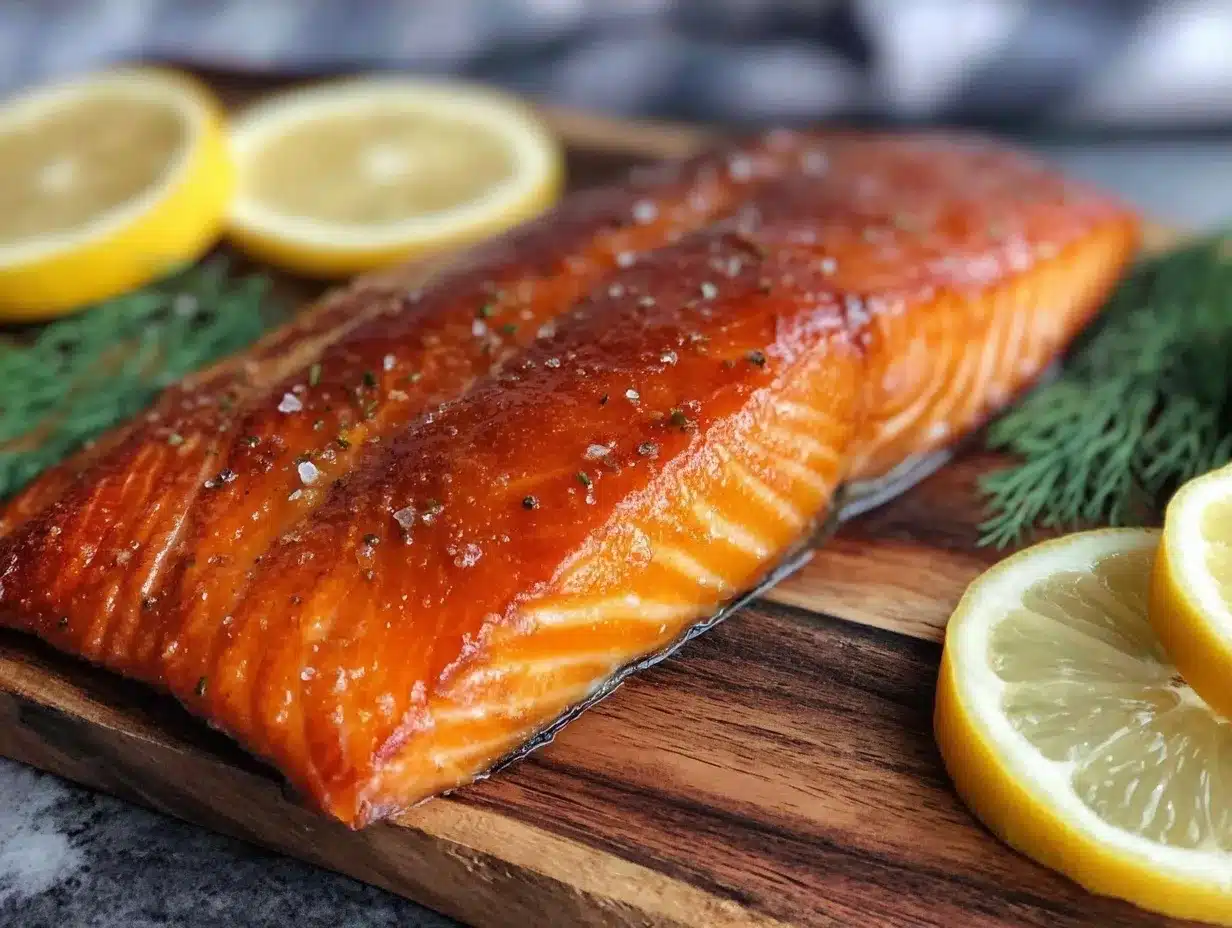
Getting started with this easy smoked salmon recipe is straightforward, but attention to detail matters. First, prepare your brine. In a large bowl, combine 1 cup of kosher salt and 1 cup of brown sugar with 4 cups of warm water. Stir until everything is completely dissolved. This creates a wet brine that penetrates the fish evenly. If you prefer a dry cure, you can skip the water and just rub the salt and sugar mixture directly onto the fish, but the wet brine is more forgiving for beginners.
Next, place your salmon fillets in a glass or ceramic dish. Pour the brine over the fish, ensuring they are fully submerged. If a fillet floats, place a plate on top to weigh it down. Cover the dish with plastic wrap and refrigerate for 6 to 12 hours. I usually do this overnight. The longer it sits, the saltier and firmer it will become. For a milder taste, stick to 6 hours. For a more robust, deli-style texture, go for the full 12 hours.
After brining, remove the fish from the brine and rinse it briefly under cold water to remove excess surface salt. Pat it dry with paper towels. This is a critical step. Place the fillets skin-side down on a wire rack set over a baking sheet. Put them in the refrigerator, uncovered, for another 1 to 2 hours. You are looking for a tacky, shiny layer on the surface called a pellicle. This layer is essential for the smoke to stick. If it feels sticky to the touch, it’s ready.
Preheat your smoker to 225°F (107°C). Add your soaked wood chips according to the manufacturer’s instructions. Place the salmon on the smoker grates, skin-side down. Close the lid and smoke for 2 to 3 hours. The exact time depends on the thickness of the fillets and your smoker’s consistency. You want the internal temperature to reach 145°F (63°C). The salmon should look opaque and flake easily when tested with a fork. Remove it from the smoker and let it cool completely before slicing.
Cooking Tips & Techniques
Smoking is as much about science as it is about art. One common mistake is letting the smoker temperature spike too high. If the heat goes above 250°F (121°C), the fat in the salmon can render out too quickly, leaving you with dry fish. Keep that temperature steady and low. I like to use a separate thermometer to monitor the grill, just to be sure. Another tip is to avoid opening the smoker lid too often. Every time you open it, you lose heat and smoke, which can extend the cooking time and affect the flavor.
Humidity plays a big role in smoke absorption. If your smoker is running very dry, try placing a pan of water inside the chamber. This helps keep the wood chips smoldering rather than flaming over. Also, make sure your wood chips are properly soaked. Dry chips will ignite and create bitter, acrid smoke. Soaking them for at least 30 minutes ensures a slow, steady burn. I’ve learned this the hard way after one batch tasted like chemical cleaner!
Timing is everything. If you pull the salmon too early, it will be raw and unsafe. If you leave it too long, it becomes like jerky. Check the internal temperature frequently during the last hour of smoking. Remember, carryover cooking will continue to raise the temperature slightly after you remove it from the heat. It’s better to err on the side of slightly undercooked, as the residual heat will finish the job. These small adjustments take practice, but soon you’ll be smoking salmon like a pro.
Variations & Adaptations
One of the best things about this recipe is how customizable it is. Once you master the basic brine, you can experiment with endless flavor profiles. For a spicy kick, add crushed red pepper flakes or a dash of cayenne pepper to the brine. This pairs wonderfully with applewood smoke. If you prefer something herbal, try adding fresh dill or lemon zest to the dry rub before smoking. The citrus cuts through the richness of the fish beautifully.
You can also change the wood source to alter the flavor. Maple wood gives a very sweet, mild smoke that is classic for salmon. Cherry wood adds a beautiful reddish hue and a fruity note. For a more traditional barbecue taste, use hickory or oak, but be careful not to overpower the delicate fish flavor. I once tried smoking it with mesquite, and it was way too strong. Less is more when it comes to mesquite.
For a low-carb version, simply omit the brown sugar and use a sugar substitute like erythritol in the brine. It works surprisingly well and still helps with the pellicle formation. If you are entertaining guests with different dietary needs, this recipe is naturally gluten-free and dairy-free. You can also use trout or steelhead instead of salmon for a slightly different texture. These variations keep the recipe fresh and exciting, allowing you to try something new every time you smoke.
Serving & Storage Suggestions
Once your salmon has cooled completely, you can store it in an airtight container in the refrigerator for up to 5 days. It actually tastes even better the next day as the flavors have time to meld together. For longer storage, you can freeze the smoked salmon for up to 3 months. Wrap it tightly in plastic wrap and then in aluminum foil to prevent freezer burn. Thaw it slowly in the refrigerator before serving.
When it comes to serving, presentation is key. Slice the salmon thinly against the grain for elegant appetizers. Serve it on a platter with cream cheese, capers, red onion slices, and fresh dill. It’s perfect for bagels or blini. You can also chop it up and mix it into a salad for a protein-packed lunch. For beverages, a crisp white wine like Sauvignon Blanc or a chilled vodka martini complements the smoky flavor perfectly.
Reheating isn’t usually necessary, as smoked salmon is best served cold or at room temperature. However, if you want to warm it slightly, you can do so gently. Avoid the microwave, as it will make the fish rubbery. Instead, let it sit out on the counter for 15 minutes before serving. The flavors develop and mellow over time, so don’t be afraid to make it a day ahead. It’s a versatile dish that fits into almost any meal plan.
Nutritional Information & Benefits
Smoked salmon is not only delicious but also incredibly nutritious. It is an excellent source of high-quality protein, which is essential for muscle repair and overall health. One 3-ounce serving contains around 17 grams of protein. It is also rich in omega-3 fatty acids, which are known to support heart health and reduce inflammation. These healthy fats are crucial for brain function and can help improve mood.
The smoking process also preserves the nutrients in the fish without adding excessive calories. This recipe has no added fats or oils, making it a lean choice. However, be mindful of the sodium content from the brine. If you are watching your salt intake, you can reduce the brining time or use a lighter brine solution. For most people, the benefits of omega-3s outweigh the sodium concerns, especially when consumed in moderation.
From a wellness perspective, I love incorporating smoked salmon into my diet because it is satisfying and keeps me full for hours. It’s a great alternative to processed meats like bacon or ham, which are often high in nitrates. This homemade version allows you to control exactly what goes into your food. It’s a simple way to boost your nutrient intake while enjoying a gourmet treat. Plus, the protein helps stabilize blood sugar levels, making it a smart choice for breakfast or snacks.
Conclusion
Making easy smoked salmon at home is a rewarding experience that pays off in every bite. It transforms a simple ingredient into a culinary masterpiece with just a bit of time and patience. I hope this recipe inspires you to get your smoker out and try something new. Whether you are a seasoned pitmaster or a complete beginner, this method is foolproof and delicious. You’ll be amazed at how much better homemade smoked salmon tastes compared to store-bought versions.
I encourage you to experiment with different woods and brines to find your perfect flavor profile. Don’t be afraid to make mistakes; that’s how you learn. Share your creations with friends and family, and see how much they enjoy the effort you put in. This recipe has become a staple in my kitchen, and I know it will become one in yours too. Happy smoking!
Frequently Asked Questions
Can I use fresh salmon instead of frozen?
Yes, fresh salmon is actually preferred for the best texture. However, if you use frozen salmon, make sure it is completely thawed and patted very dry before brining. Freezing can break down some of the cell walls, so handle it gently.
How do I know when the salmon is done smoking?
The best way is to use a meat thermometer. Look for an internal temperature of 145°F (63°C). The fish should look opaque and flake easily when pressed with a fork. It should not be translucent in the center.
Can I smoke salmon without a smoker?
Yes, you can use a charcoal grill or gas grill with a smoker box. Place the wood chips in the box and put it over the burner or charcoal. Keep the lid closed to trap the smoke. The results will be similar, though slightly less intense than a dedicated smoker.
How long does smoked salmon last in the fridge?
Homemade smoked salmon will last up to 5 days in the refrigerator if stored in an airtight container. For longer storage, freeze it for up to 3 months. Always check for any off smells before eating.
What is the pellicle and why is it important?
The pellicle is a tacky, shiny layer that forms on the surface of the fish after brining and air-drying. It is crucial because it helps the smoke adhere to the fish, resulting in a better flavor and color. Without it, the smoke may just wash off.
Pin This Recipe!
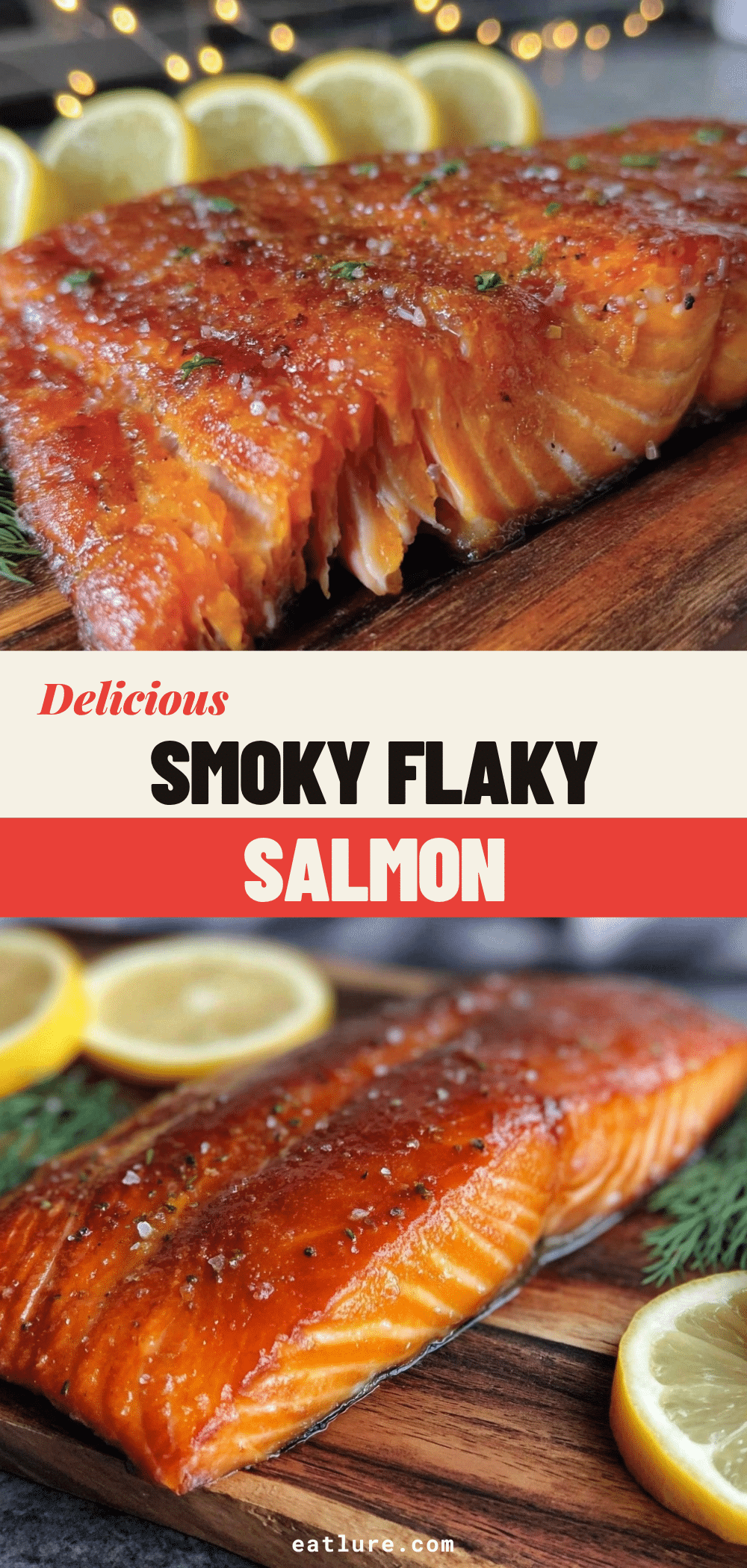

Easy Smoked Salmon: Best Homemade Smoker Recipe
- Total Time: 8 to 14 hours
- Yield: 4 servings 1x
Description
A simple yet professional homemade smoked salmon recipe that yields a flaky, smoky, and flavorful result. This method uses a wet brine and a pellicle step to ensure the smoke adheres properly, creating a restaurant-quality appetizer or main course.
Ingredients
- 1.5 to 2 pounds skin-on salmon fillets
- 1 cup kosher salt (Diamond Crystal recommended)
- 1 cup brown sugar
- 4 cups warm water
- Freshly cracked coarse black pepper
- Wood chips (Applewood, Cherry, or Hickory), soaked for 30 minutes
Instructions
- In a large bowl, combine 1 cup of kosher salt, 1 cup of brown sugar, and 4 cups of warm water. Stir until completely dissolved to create the brine.
- Place salmon fillets in a glass or ceramic dish large enough to hold them in a single layer. Pour the brine over the fish, ensuring they are fully submerged. If a fillet floats, weigh it down with a plate.
- Cover the dish with plastic wrap and refrigerate for 6 to 12 hours (overnight is recommended).
- Remove the salmon from the brine and rinse briefly under cold water to remove excess salt. Pat dry with paper towels.
- Place the fillets skin-side down on a wire rack set over a baking sheet. Refrigerate uncovered for 1 to 2 hours until a tacky, shiny layer (pellicle) forms on the surface.
- Preheat your smoker to 225°F (107°C). Add soaked wood chips according to the smoker’s instructions.
- Place the salmon on the smoker grates, skin-side down. Smoke for 2 to 3 hours, or until the internal temperature reaches 145°F (63°C).
- Remove the salmon from the smoker and let it cool completely before slicing.
Notes
The pellicle (tacky surface layer) is crucial for smoke adhesion; do not skip the air-drying step. Keep smoker temperature steady below 250°F to prevent drying out the fish. For a milder taste, brine for 6 hours; for a robust deli-style texture, brine for 12 hours. Store in an airtight container in the fridge for up to 5 days or freeze for up to 3 months.
- Prep Time: 20 minutes
- Cook Time: 2 to 3 hours
- Category: Appetizer
- Cuisine: American
Nutrition
- Serving Size: 3 ounces
- Calories: 170
- Sodium: 800
- Fat: 10
- Saturated Fat: 2
- Protein: 17
Keywords: smoked salmon, homemade smoker, easy smoked salmon, hickory salmon, applewood salmon, brined salmon, pellicle technique, high protein snack, gluten-free seafood